
Comprehensive Guide to Designing Clean Rooms for Pharma and Biotech


Introduction to Clean Rooms
In the pharmaceutical and biotech industries, maintaining a sterile environment is crucial for ensuring product quality and safety. Clean rooms are specially designed spaces that control contamination and particulate levels, playing a vital role in these sectors. This guide provides a comprehensive overview of designing effective clean rooms.
Understanding Clean Room Standards
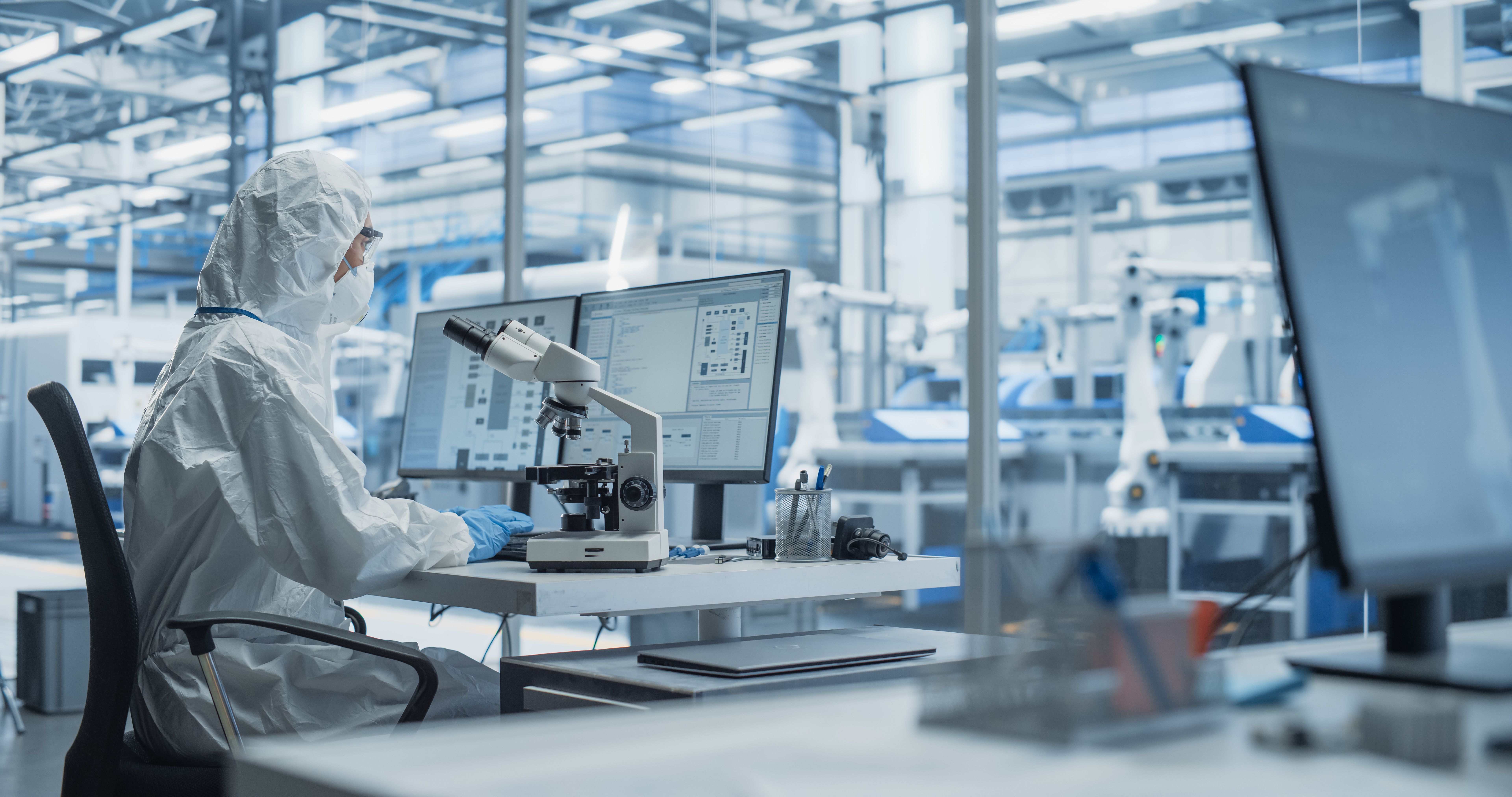
Clean rooms are classified based on the concentration of airborne particles, as defined by standards like ISO 14644. These classifications help determine the appropriate design and operational protocols to maintain the required cleanliness levels.
ISO Classifications range from ISO 1 to ISO 9, with ISO 1 being the cleanest. Biotech and pharma industries typically require ISO Class 5 to 8 clean rooms, depending on the process and product.
Key Design Considerations
Designing a clean room involves several critical considerations. These include airflow, material selection, and environmental controls. Proper design ensures that contamination is minimized and that the clean room meets regulatory standards.

Airflow and Ventilation
Airflow is one of the most crucial elements in clean room design. Unidirectional airflow, often achieved with HEPA or ULPA filters, helps to remove contaminants effectively. The air change rate must be calculated based on the room’s classification.
Material Selection
Materials used in clean room construction should be non-porous, easy to clean, and resistant to chemicals. Common choices include stainless steel, glass, and specific types of plastics that do not shed particles.

Environmental Controls
Maintaining specific environmental conditions is essential for clean room functionality. Temperature, humidity, and pressure differentials are carefully controlled to prevent contamination and ensure product integrity.
Temperature and Humidity: Consistent temperature and humidity levels help reduce static electricity and prevent microbial growth. Automated systems are often implemented for precise control.
Operational Protocols
Once a clean room is designed and built, implementing strict operational protocols is essential for maintaining its integrity. This includes gowning procedures, cleaning schedules, and access control.
Gowning Procedures
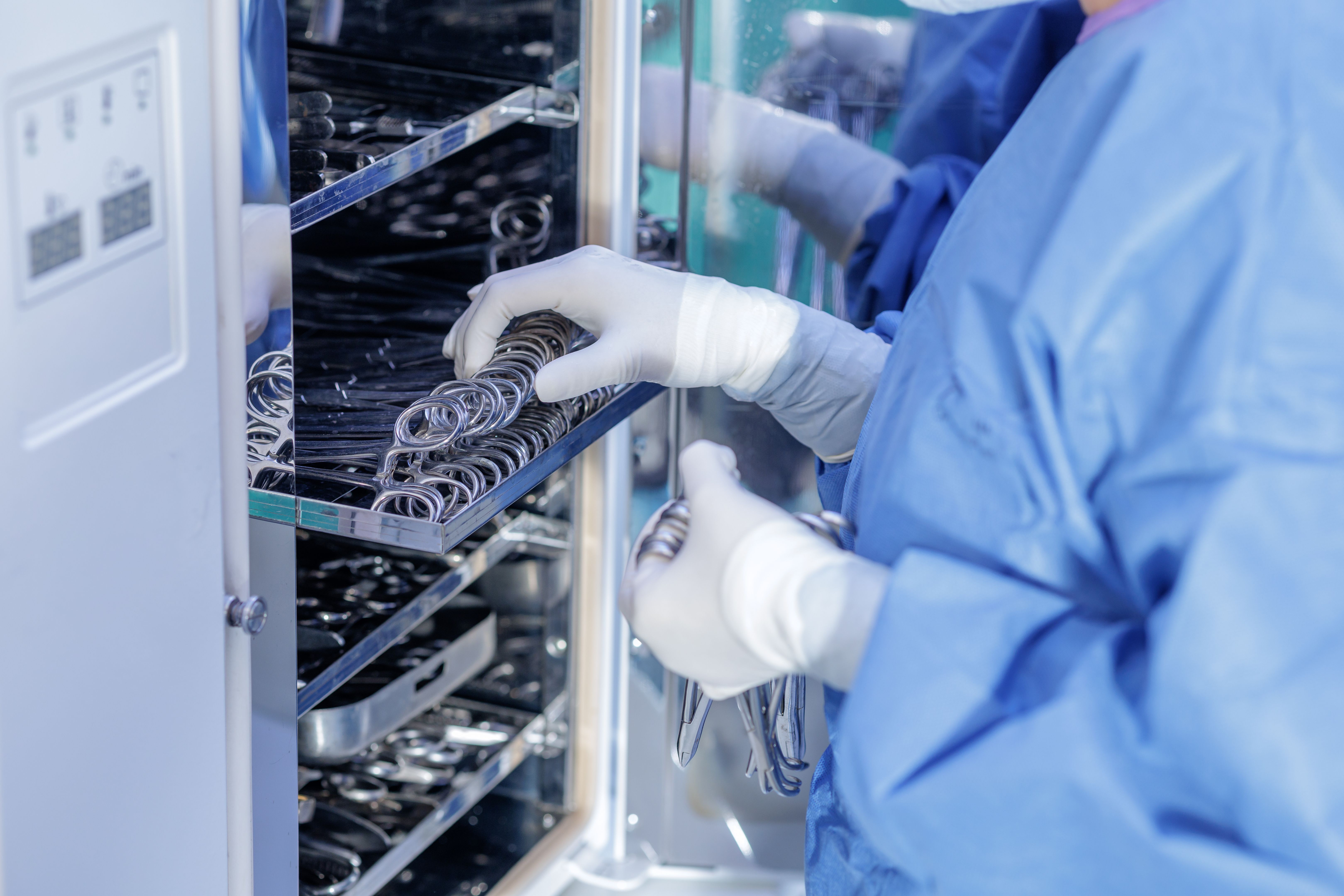
Personnel entering a clean room must follow specific gowning procedures to minimize contamination. This usually involves wearing gowns, masks, gloves, and shoe covers.
Cleaning and Maintenance
Regular cleaning and maintenance are crucial. Using appropriate cleaning agents and techniques is necessary to maintain the clean room's classification and prevent contamination.
Conclusion
Designing a clean room for the pharmaceutical and biotech industries is a complex but essential task that ensures product safety and efficacy. By understanding and implementing the right standards, materials, and protocols, industries can maintain high-quality environments that meet regulatory requirements.