
Comprehensive Guide to Designing Clean Rooms for Pharma Manufacturers


Understanding the Importance of Clean Rooms in Pharma Manufacturing
In the pharmaceutical industry, maintaining a sterile environment is crucial to ensure the safety and efficacy of products. Clean rooms are specially designed spaces that control environmental factors like temperature, humidity, and particulate contamination. These rooms are essential for manufacturing processes where even the slightest contamination can compromise product quality.
Pharma manufacturers rely on clean rooms to meet stringent regulatory standards and protect public health. The design and maintenance of these rooms require careful planning and execution, making them a critical component in pharmaceutical production.

Key Design Considerations for Clean Rooms
Designing a clean room involves considering several factors to ensure optimal performance. The first step is to determine the cleanliness level required, which depends on the specific manufacturing processes involved. Clean rooms are classified into different grades based on the number of particles allowed per cubic meter.
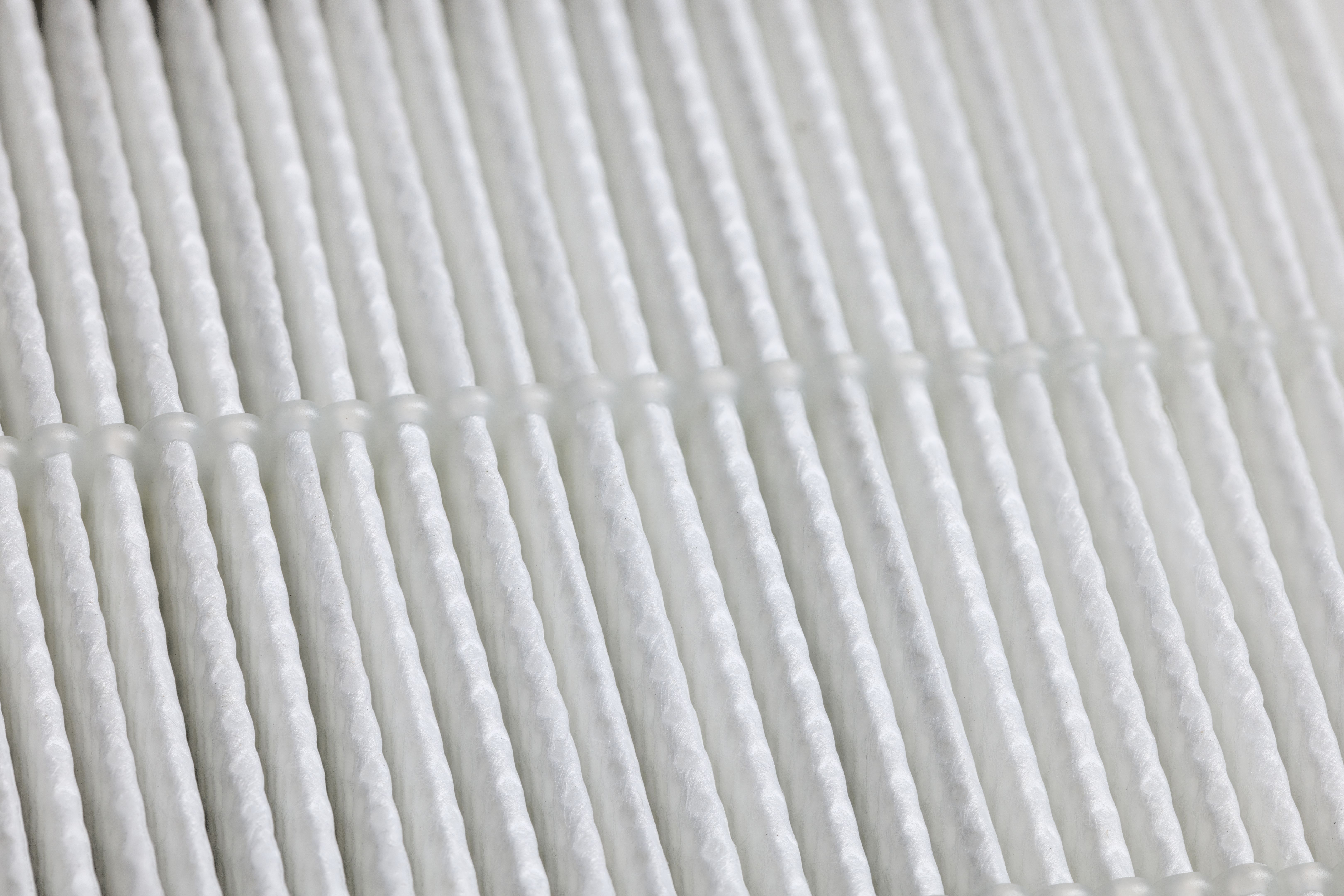
Another critical consideration is airflow design. The use of High-Efficiency Particulate Air (HEPA) filters ensures that the air is continuously circulated and purified. This helps in maintaining the desired cleanliness levels and preventing cross-contamination.
Materials and Surfaces
The choice of materials for walls, floors, and ceilings is vital. Surfaces should be smooth, non-porous, and easy to clean to prevent microbial growth. Commonly used materials include stainless steel, epoxy-coated floors, and vinyl walls.
Implementing Environmental Controls
Temperature and humidity control are paramount in clean room environments. These factors can affect both the manufacturing process and the stability of pharmaceutical products. Advanced HVAC systems are employed to regulate these parameters precisely.
Monitoring and Maintenance
Regular monitoring is essential to ensure that clean rooms maintain the required environmental conditions. Automated systems can provide real-time data on air quality, temperature, and humidity. Routine maintenance of equipment and infrastructure is also necessary to prevent any deviations from standard conditions.

Regulatory Compliance and Standards
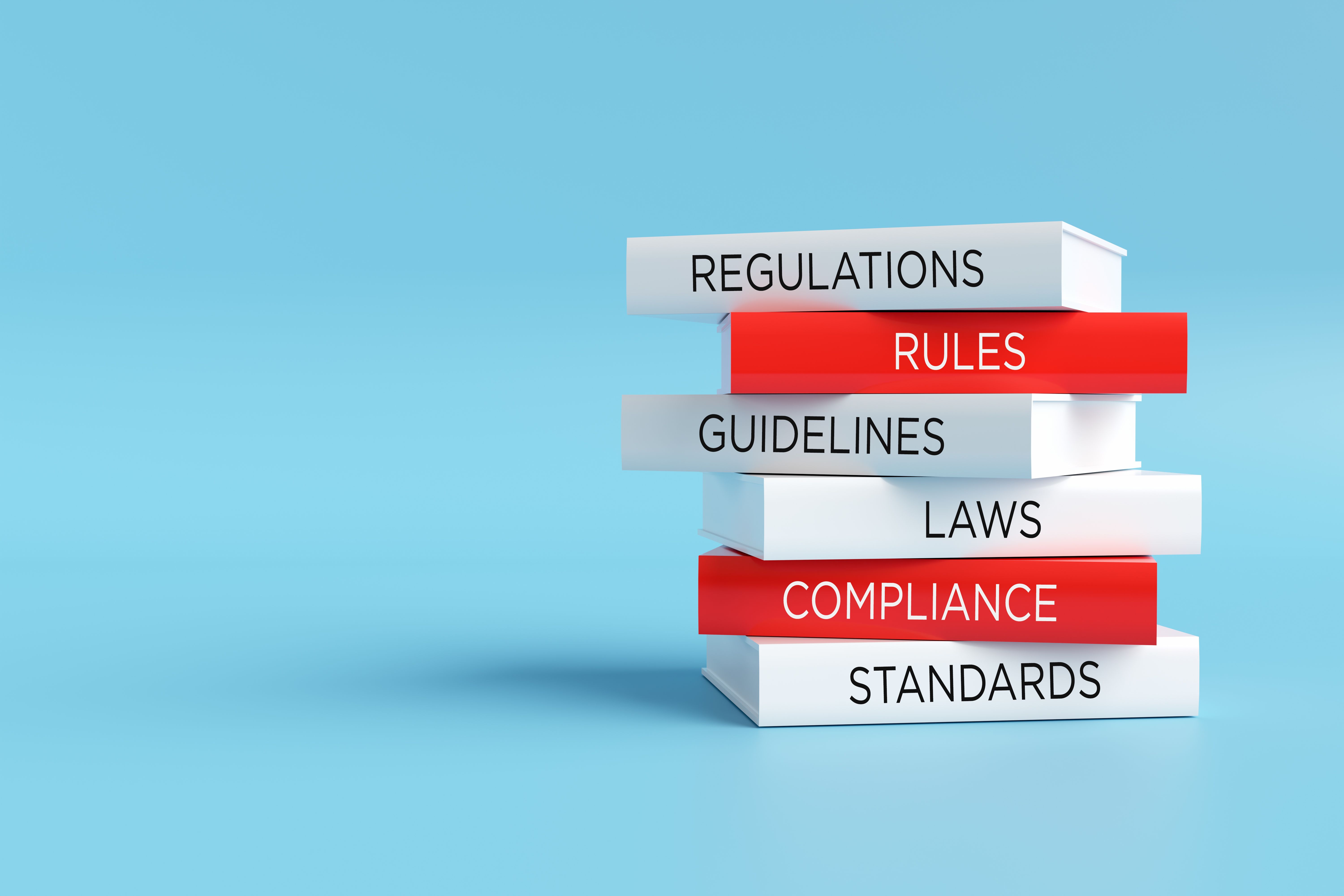
Pharmaceutical clean rooms must comply with international standards such as ISO 14644 and guidelines from regulatory bodies like the FDA and EMA. These standards specify the requirements for air cleanliness, design, and operational protocols.
Compliance ensures that pharmaceutical manufacturers can produce safe and effective products, minimizing the risk of contamination. Regular audits and inspections are conducted to verify adherence to these standards.
Conclusion
Designing clean rooms for pharmaceutical manufacturing is a complex but essential task. By considering factors such as cleanliness levels, airflow design, material selection, and environmental controls, manufacturers can create spaces that ensure product safety and efficacy.
With proper design, maintenance, and regulatory compliance, clean rooms serve as a cornerstone of pharmaceutical manufacturing, safeguarding public health and ensuring the quality of lifesaving medications.