
Emerging Trends in Pharma Clean-Room Design


Introduction to Pharma Clean-Room Design
The pharmaceutical industry is constantly evolving, and so is the design of clean rooms. These controlled environments are essential for ensuring the safety and efficacy of pharmaceutical products. Recent advancements in technology, materials, and design strategies are shaping the future of clean-room facilities.
Understanding these emerging trends is crucial for industry professionals looking to optimize their operations and maintain compliance with regulatory standards. Let's explore the key developments in pharma clean-room design.
Modular Clean-Room Systems
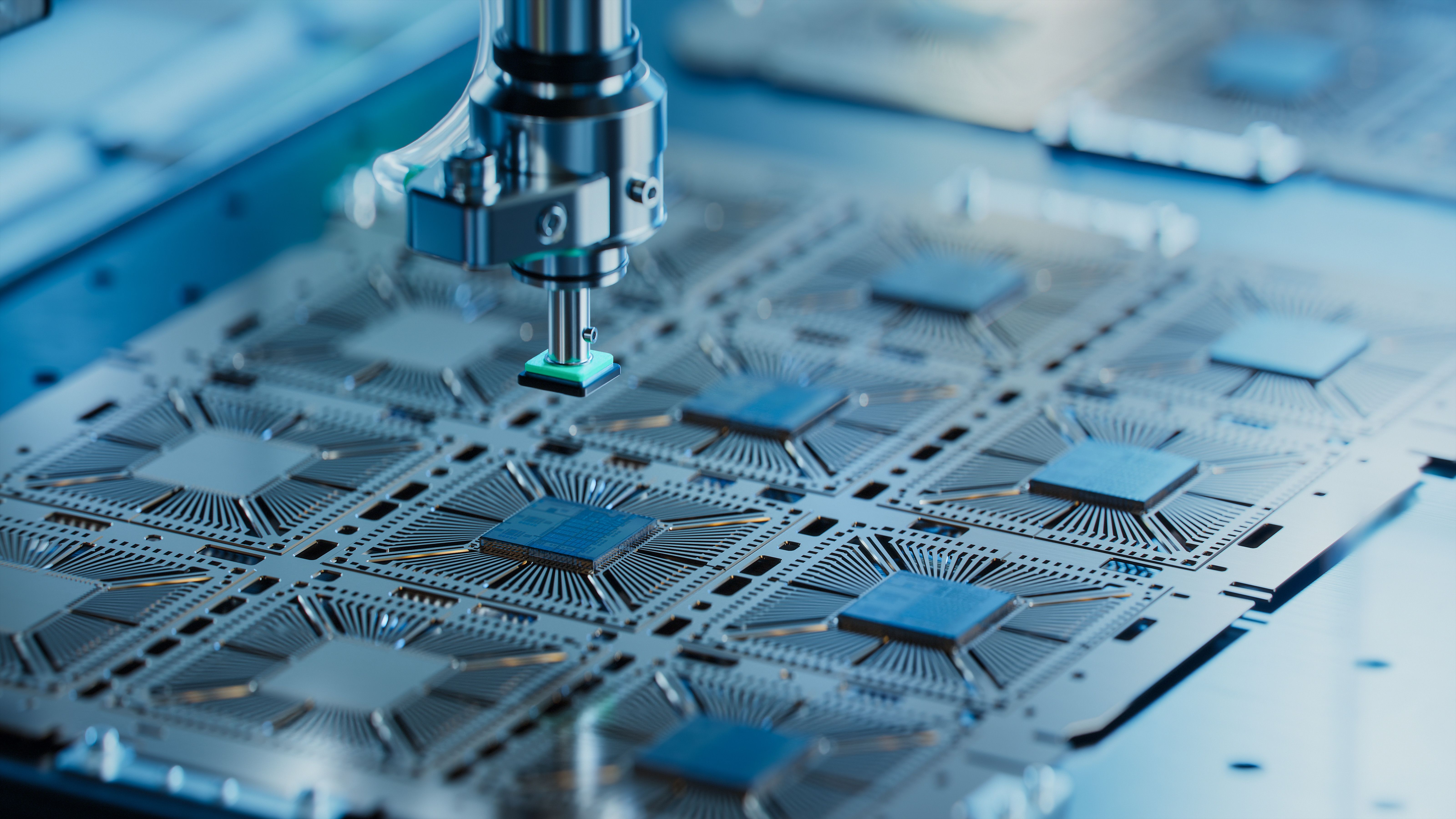
One of the most significant trends in clean-room design is the adoption of modular systems. These systems offer flexibility, allowing for quick assembly and reconfiguration as needs change. This adaptability is particularly beneficial in an industry where product lines and production processes are constantly evolving.
Modular clean-room systems also provide cost advantages. By reducing construction time and minimizing disruptions, companies can achieve faster time-to-market for their products. Additionally, modular designs often incorporate sustainable materials, aligning with the growing focus on environmental responsibility.
Advanced Air Filtration Technologies
The quality of air filtration in clean rooms is critical to maintaining a sterile environment. Recent advancements in air filtration technology are significantly enhancing clean-room performance. High-efficiency particulate air (HEPA) filters are now being complemented by ultra-low penetration air (ULPA) filters, providing even greater levels of contamination control.
Moreover, smart air filtration systems equipped with sensors and automation are emerging. These systems can monitor air quality in real-time and adjust filtration settings automatically, ensuring optimal conditions are maintained at all times.
Integration of IoT and Smart Technologies
The integration of the Internet of Things (IoT) and smart technologies is revolutionizing clean-room management. IoT devices can monitor various parameters such as temperature, humidity, and particle count, providing valuable data for optimizing clean-room conditions.
- Real-time monitoring enhances operational efficiency.
- Predictive maintenance reduces downtime and extends equipment life.
- Automated reporting ensures compliance with regulatory standards.
Emphasis on Ergonomics and Safety
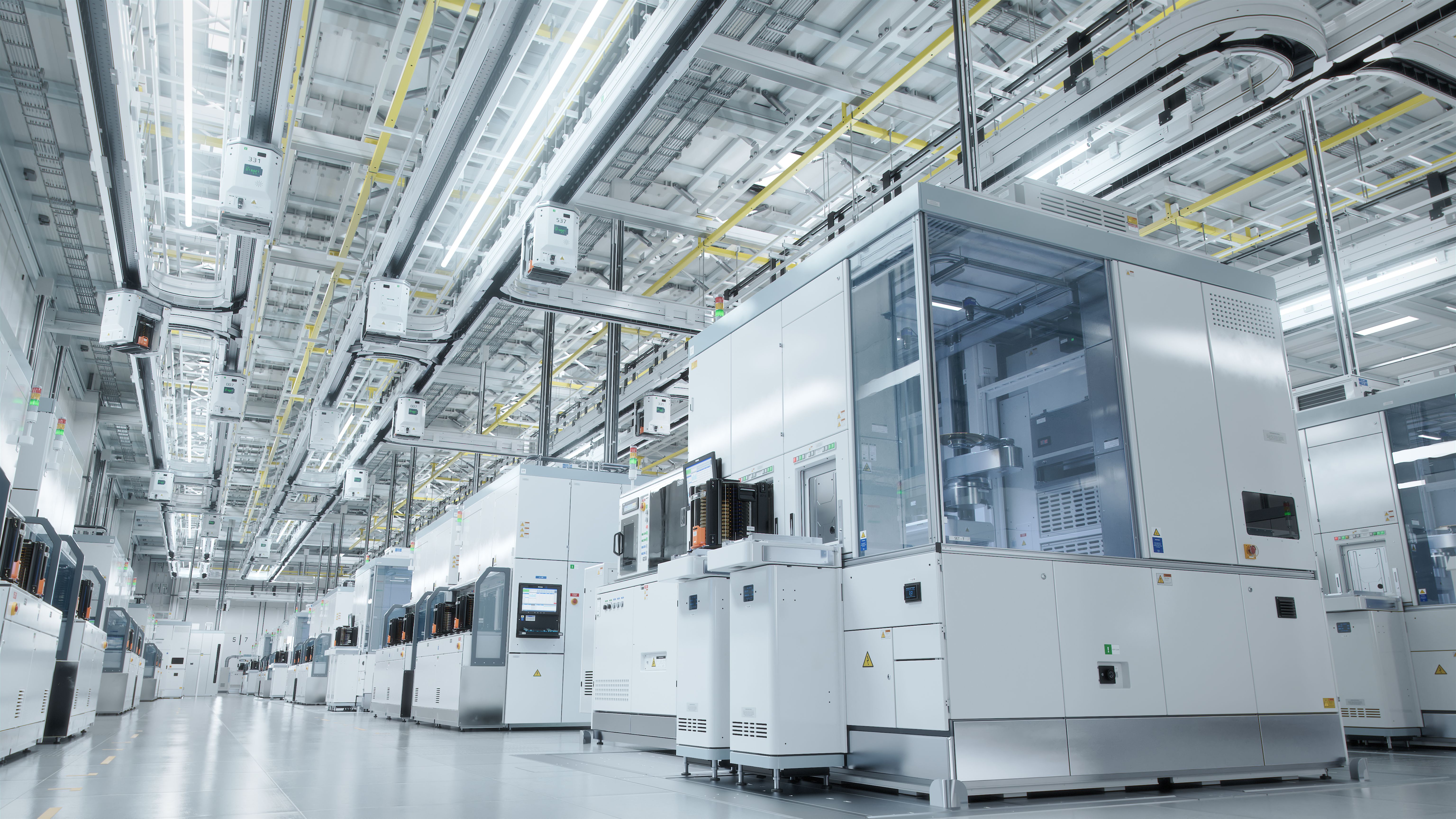
Designing clean rooms with ergonomics and safety in mind is becoming increasingly important. Clean-room environments are often high-stress, and ensuring the well-being of personnel is essential for maintaining productivity and morale.
Innovations in ergonomic furniture, adjustable workstations, and enhanced lighting solutions are being implemented to create safer and more comfortable working environments. These changes not only improve employee satisfaction but also contribute to better overall performance.
Sustainability and Energy Efficiency
The push towards sustainability is influencing every aspect of clean-room design. Energy-efficient HVAC systems, LED lighting, and sustainable building materials are being incorporated to reduce the carbon footprint of clean-room facilities.
Additionally, companies are exploring ways to recycle and reuse materials, reduce waste, and implement green certifications. These efforts not only benefit the environment but also lead to cost savings in the long run.

Conclusion
Emerging trends in pharma clean-room design are reshaping the industry, offering new opportunities for efficiency, safety, and sustainability. By staying informed about these developments, pharmaceutical companies can enhance their operations and remain competitive in a rapidly changing landscape.
As clean-room technology continues to advance, embracing these innovations will be key to driving success in the pharmaceutical sector.