
Engineering Excellence: Designing Clean-Room Facilities for Top Biologic Developers


Introduction to Clean-Room Facilities
In the world of biologic development, maintaining a sterile and controlled environment is crucial. Clean-room facilities are designed to prevent contamination and ensure the highest quality of production. These specialized spaces are essential for top biologic developers who rely on precision and safety.
The design of clean-room facilities requires a deep understanding of engineering principles and regulatory standards. Engineers must consider airflow, temperature, humidity, and other factors to create an optimal environment.
Key Design Principles
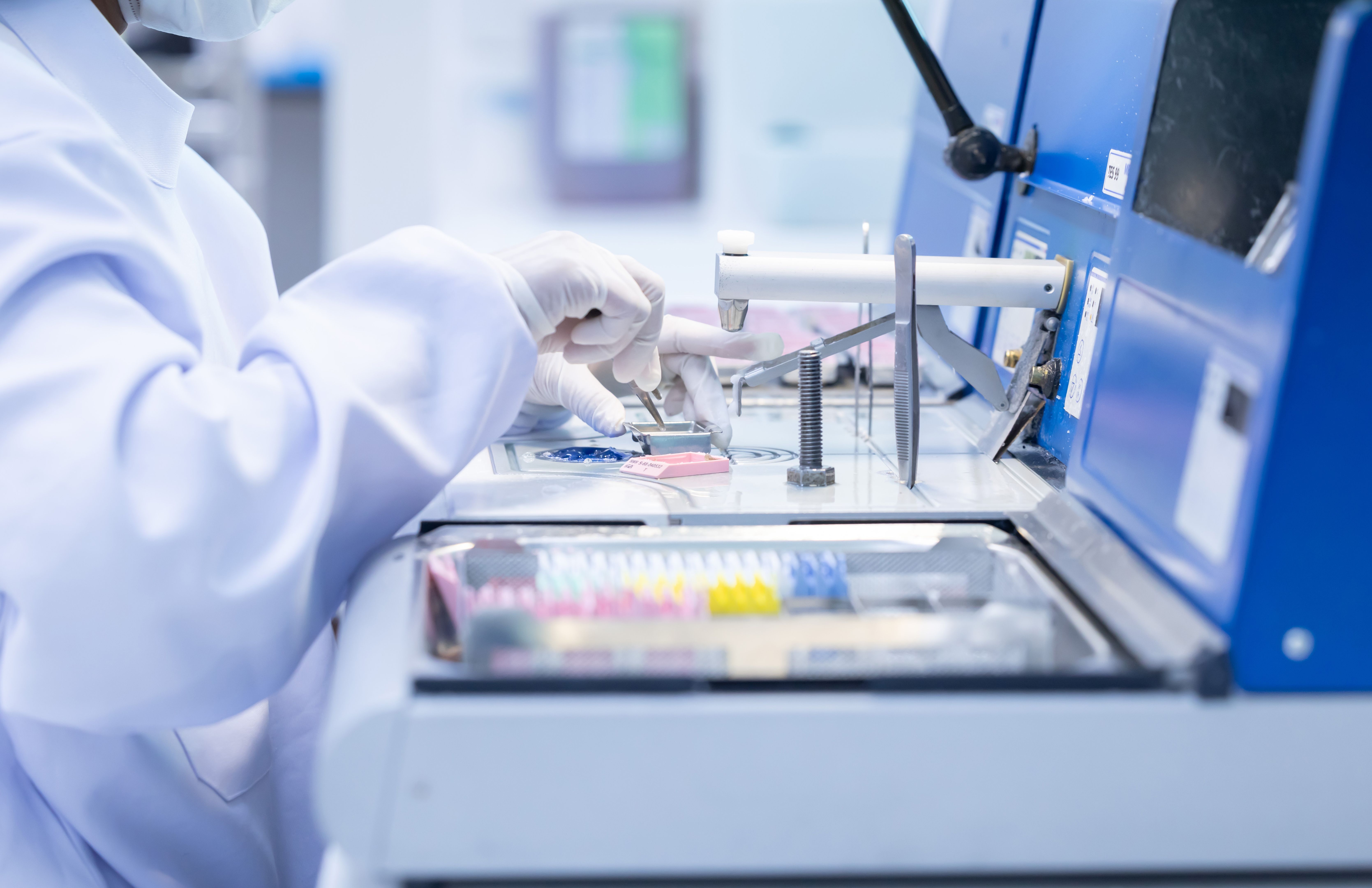
When designing clean-room facilities, certain principles must be adhered to in order to achieve engineering excellence. One of the primary considerations is the control of airborne particles. This involves the use of high-efficiency particulate air (HEPA) filters and proper ventilation systems to maintain cleanliness.
Temperature and humidity control are also vital. These factors must be carefully monitored and adjusted to meet the specific needs of the biologic materials being developed. Precision in these areas ensures the stability and efficacy of the products.

Materials and Construction
The choice of materials used in clean-room construction is critical. Smooth, non-porous surfaces that resist particle accumulation are preferred. Walls, ceilings, and floors are typically made from materials like stainless steel or special polymers that can be easily cleaned and sterilized.
- Stainless steel for durability and cleanliness
- Epoxy coatings for seamless surfaces
- Specialized lighting to minimize heat emission

Compliance and Standards
Adhering to industry standards is non-negotiable in clean-room design. Compliance with regulations such as ISO 14644 and cGMP (Current Good Manufacturing Practices) ensures that the facilities meet international safety and quality benchmarks. These standards guide the design, construction, and maintenance of clean-room spaces.
Engineers must work closely with regulatory bodies to ensure that every aspect of the clean-room meets these stringent requirements. This collaboration is essential for achieving both compliance and excellence.
Innovation in Clean-Room Design
Innovation plays a key role in the evolution of clean-room facilities. Advances in technology are enabling more efficient designs and better environmental controls. For instance, smart systems can now automate temperature and humidity adjustments, providing real-time data and analytics.
Furthermore, the integration of sustainable practices is becoming more common. Energy-efficient HVAC systems and eco-friendly materials contribute to both environmental responsibility and cost savings.
Future Trends
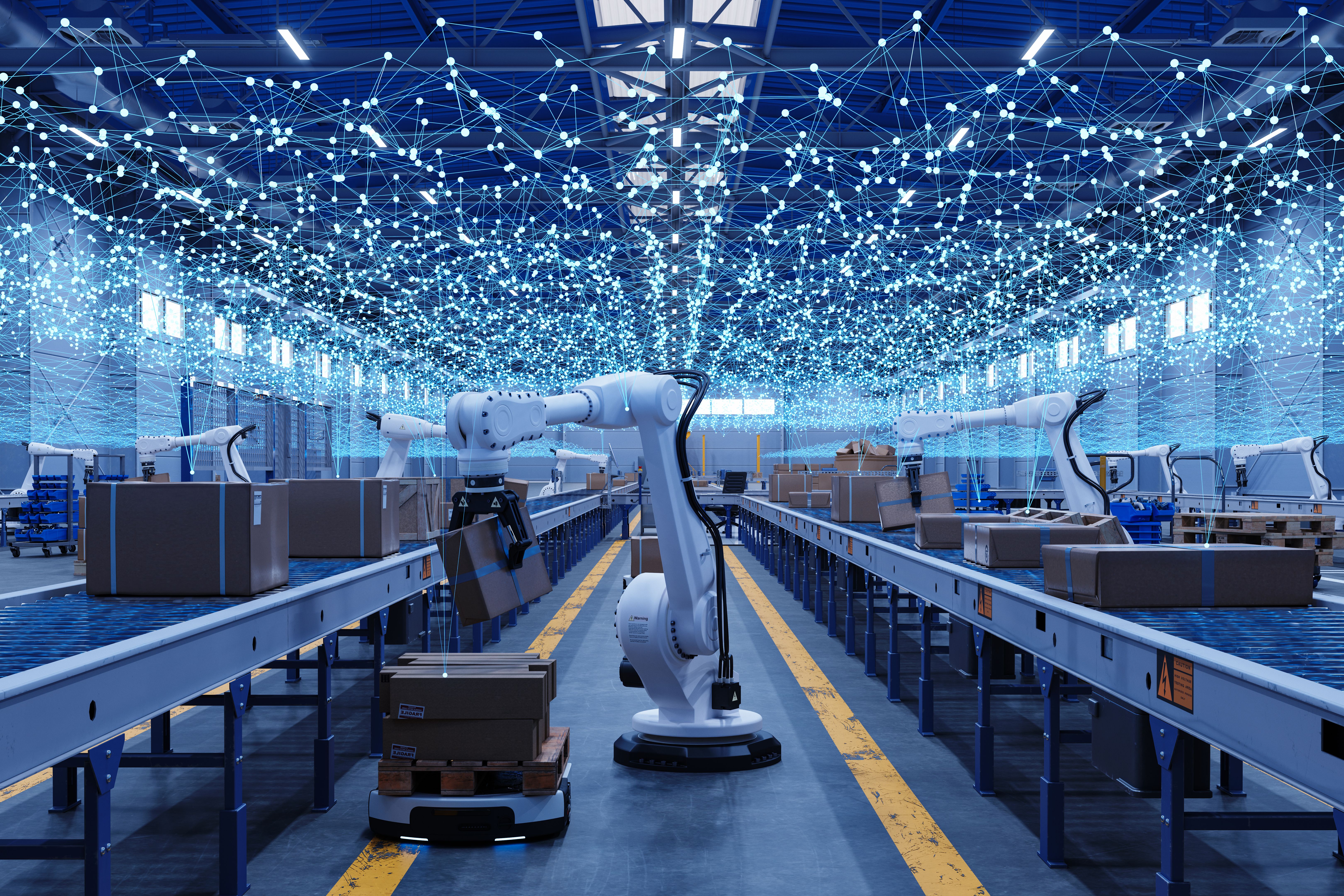
The future of clean-room design is likely to see even more technological advancements. The use of artificial intelligence and machine learning could revolutionize how these facilities are monitored and maintained. Predictive analytics might soon be able to foresee potential issues before they arise, ensuring uninterrupted production.
- Implementation of AI for continuous monitoring
- Integration of IoT devices for better connectivity
- Focus on sustainable and energy-efficient solutions
These trends represent exciting opportunities for biologic developers looking to enhance their production capabilities and maintain engineering excellence.