
Expert Tips for Designing Hospital OT & ICU Spaces in India


Understanding the Importance of Design in Hospital OT & ICU Spaces
Designing hospital Operating Theatres (OT) and Intensive Care Units (ICU) in India requires a careful balance between functionality, safety, and patient comfort. These spaces are critical for patient recovery and staff efficiency, making their design a priority for healthcare facilities. Understanding the unique needs of these areas can significantly enhance overall hospital operations.
In recent years, there has been a growing focus on creating environments that are not only technologically advanced but also conducive to healing. This involves integrating state-of-the-art equipment with thoughtful design principles that prioritize both patient and staff needs.
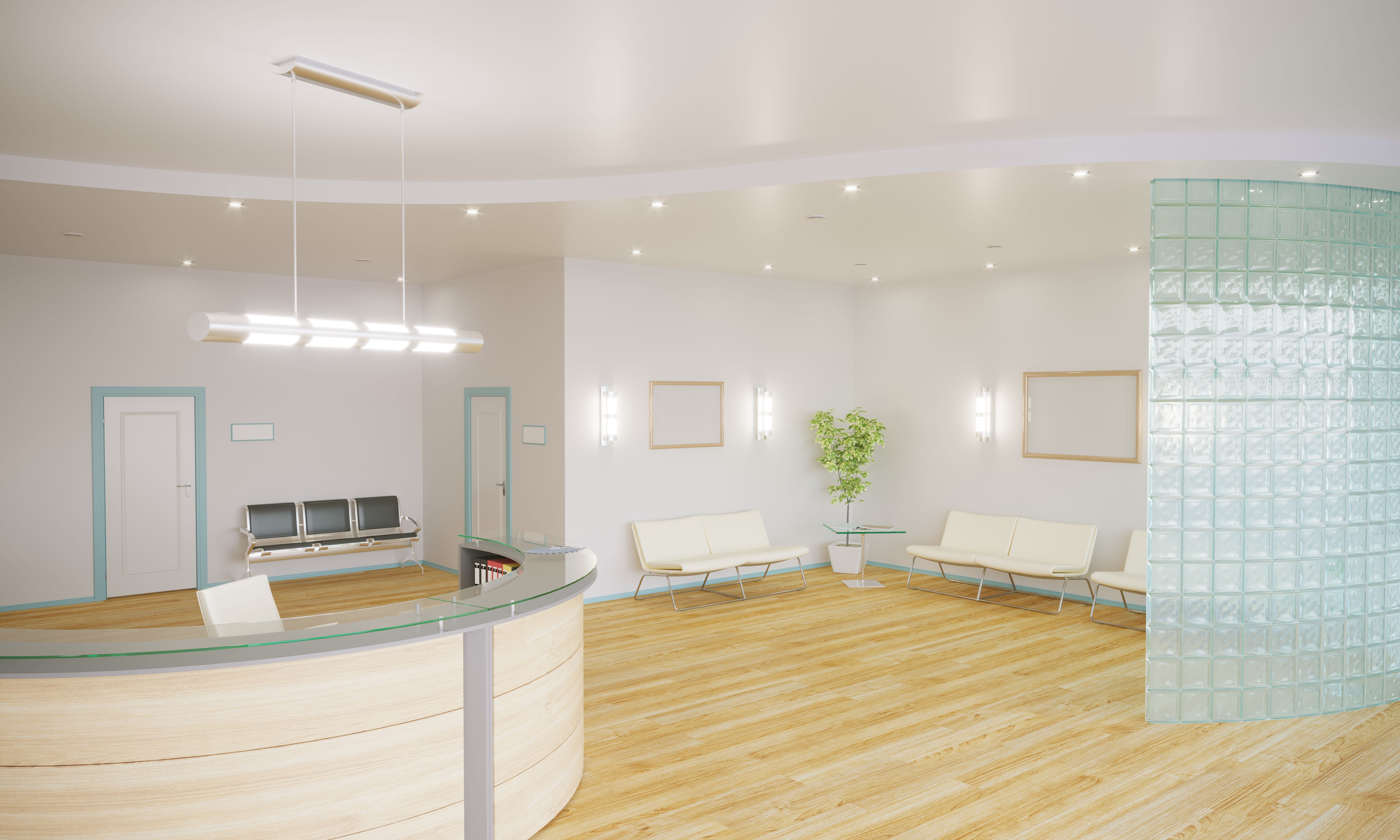
Key Considerations for OT Design
Operating theatres are the heart of surgical procedures, demanding precision and efficiency. Here are some expert tips to consider:
- Spatial Planning: Ensure adequate space for movement and placement of equipment. This prevents congestion and allows for smooth operation workflows.
- Lighting: Use adjustable, shadow-free lighting to enable surgeons to work with precision. LED lights are often preferred for their energy efficiency and longevity.
- Infection Control: Incorporate materials and designs that reduce the risk of infection, such as non-porous surfaces and air filtration systems.
Additionally, integrating technology such as video conferencing for remote consultations can enhance the OT's functionality.
Designing Patient-Centric ICU Spaces
ICUs require a design that supports critical care staff while ensuring patient comfort and safety. Here are some essential design strategies:
- Visibility and Accessibility: Ensure clear sightlines for monitoring patients and easy access to emergency equipment.
- Sound Management: Use sound-absorbing materials to minimize noise levels, creating a more restful environment for patients.
- Natural Light: Incorporate windows or light wells to provide natural light, which can have positive effects on patient recovery.
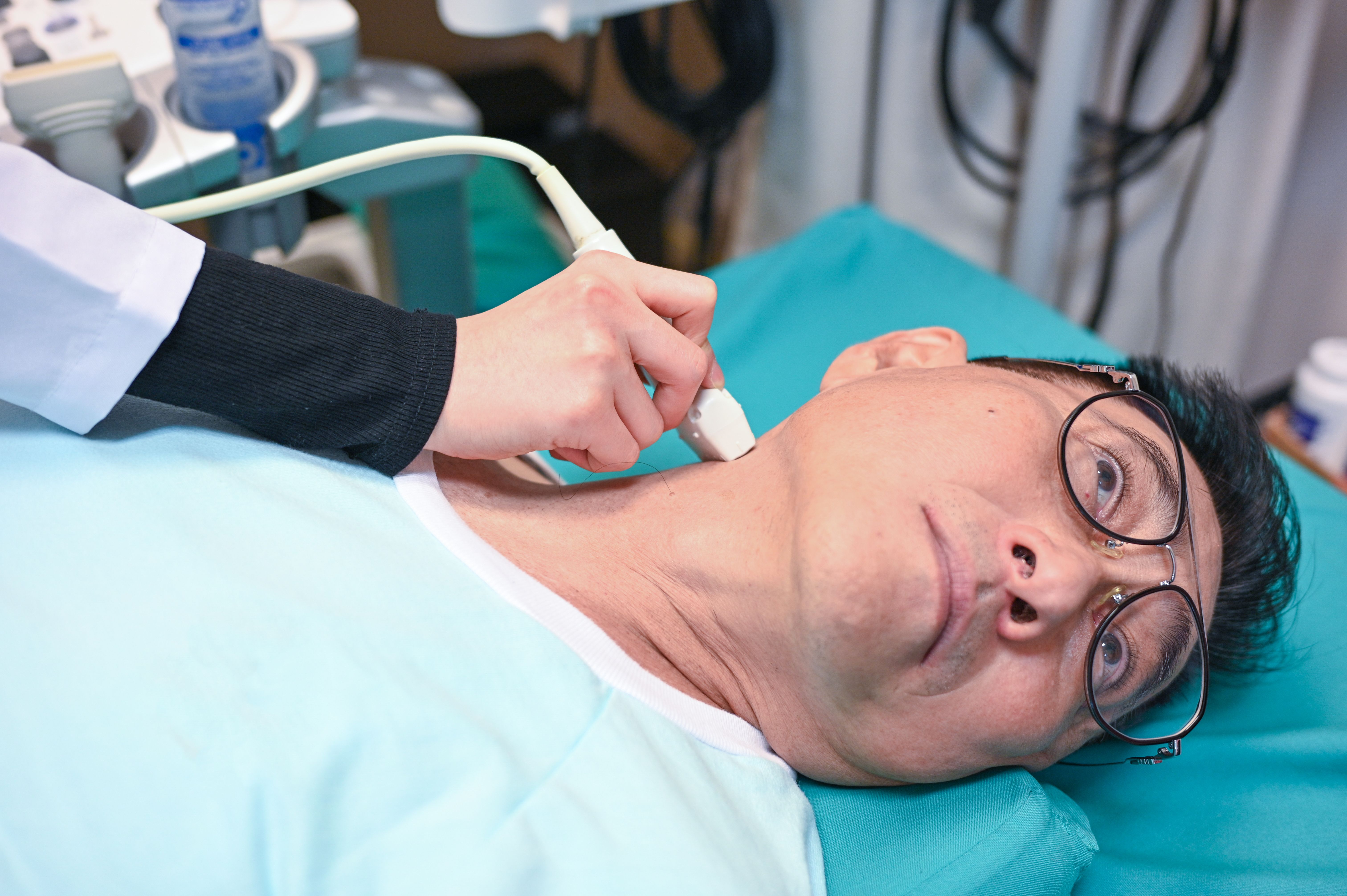
Incorporating Advanced Technology
Technology plays a crucial role in modern hospital design. Implement systems that allow for real-time monitoring and data management, which can improve patient care and operational efficiency. Smart technologies, such as automated lighting and climate control, can also enhance the usability of these spaces.
Moreover, telemedicine capabilities can be integrated into both OT and ICU designs to facilitate consultations and specialist input, even when they are not physically present.
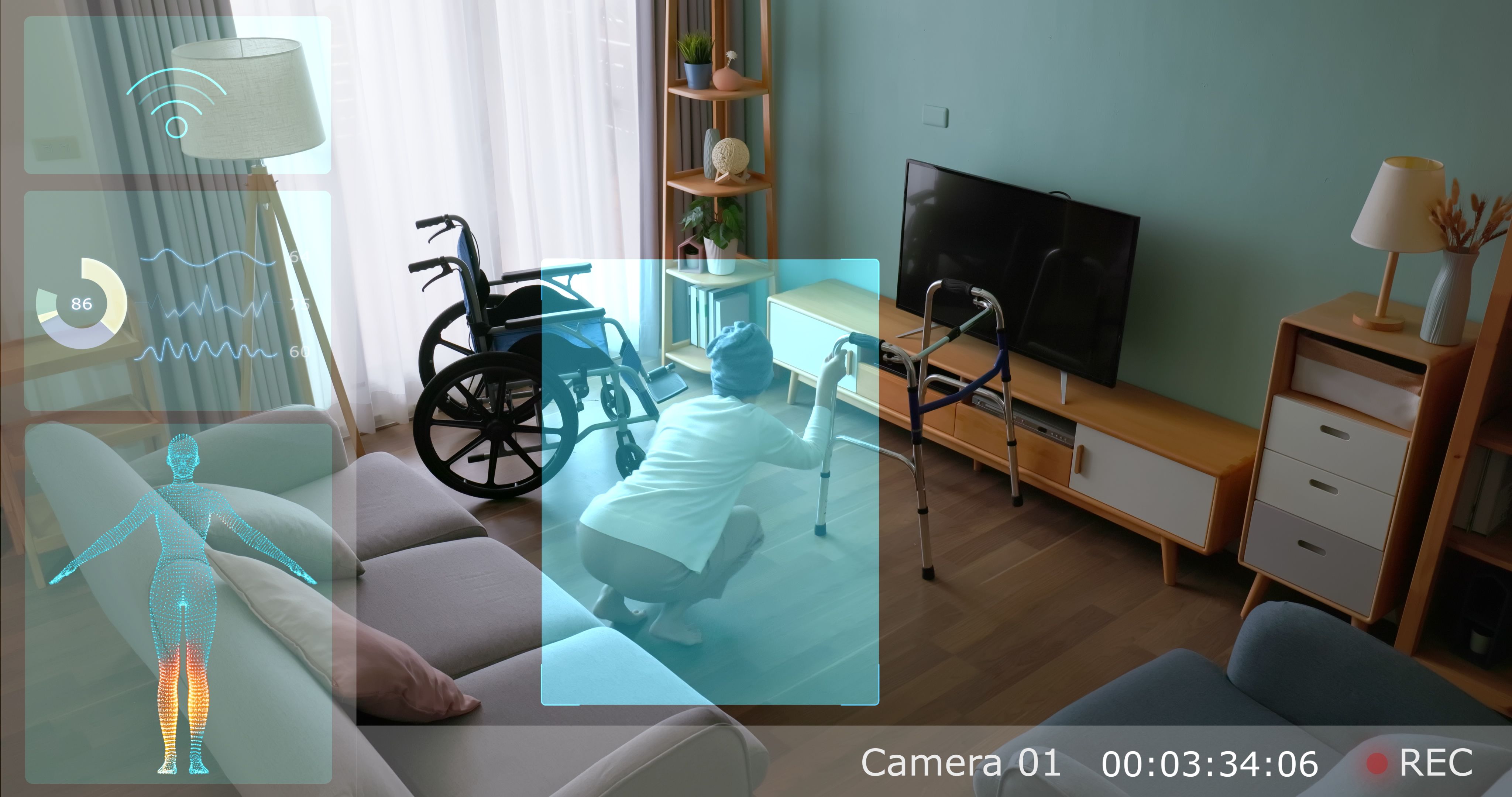
The Role of Ergonomics and Human Factors
Ergonomics is vital in designing hospital spaces to reduce staff fatigue and improve performance. Consider adjustable workstations and equipment to accommodate different user needs and preferences. This not only aids staff productivity but also enhances patient care by reducing the likelihood of errors.
Furthermore, the inclusion of comfortable furniture and thoughtful layout designs can make a significant difference in creating a supportive environment for both patients and healthcare providers.
Conclusion
Designing hospital OT and ICU spaces in India involves a multi-faceted approach that considers technological, ergonomic, and patient-centric elements. By focusing on these areas, healthcare facilities can create environments that enhance both patient outcomes and staff efficiency. As the healthcare landscape continues to evolve, staying informed about the latest design trends and innovations will be crucial for success.
Ultimately, the goal is to create spaces that support healing, promote safety, and facilitate the best possible care for patients, while also providing a functional and efficient workspace for healthcare professionals.