
How Seasonal Changes Affect Clean-Room Performance and Maintenance


Understanding Seasonal Impacts on Clean-Room Environments
Clean-room environments are critical in industries such as pharmaceuticals, biotechnology, and electronics. These spaces require stringent control over temperature, humidity, and particulate levels to ensure product quality. However, with the changing seasons, maintaining these parameters can pose significant challenges.
Each season introduces unique environmental variables that can affect clean-room performance. The transition from winter to spring, for example, often brings increased humidity levels, which can lead to condensation issues if not properly managed.

Temperature Fluctuations and Their Effects
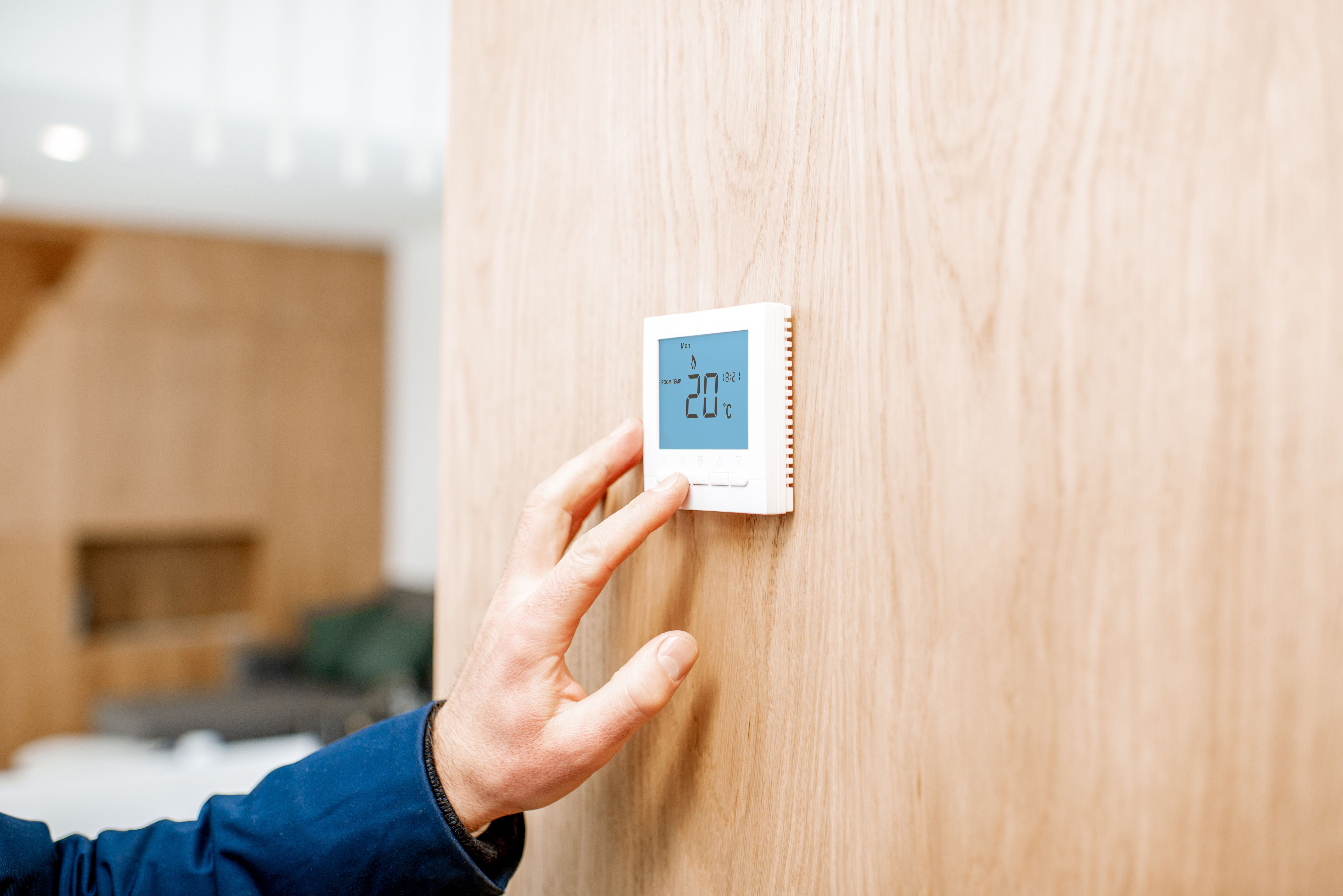
Temperature control is a cornerstone of clean-room maintenance. Seasonal changes can cause temperature fluctuations that impact both the performance and energy consumption of HVAC systems. During summer, increased external temperatures require cooling systems to work harder, potentially leading to higher operational costs.
Conversely, in winter, maintaining optimal temperatures may necessitate additional heating. Both scenarios demand a proactive approach to HVAC system management, including regular maintenance and calibration to ensure efficiency.
Humidity Control Challenges
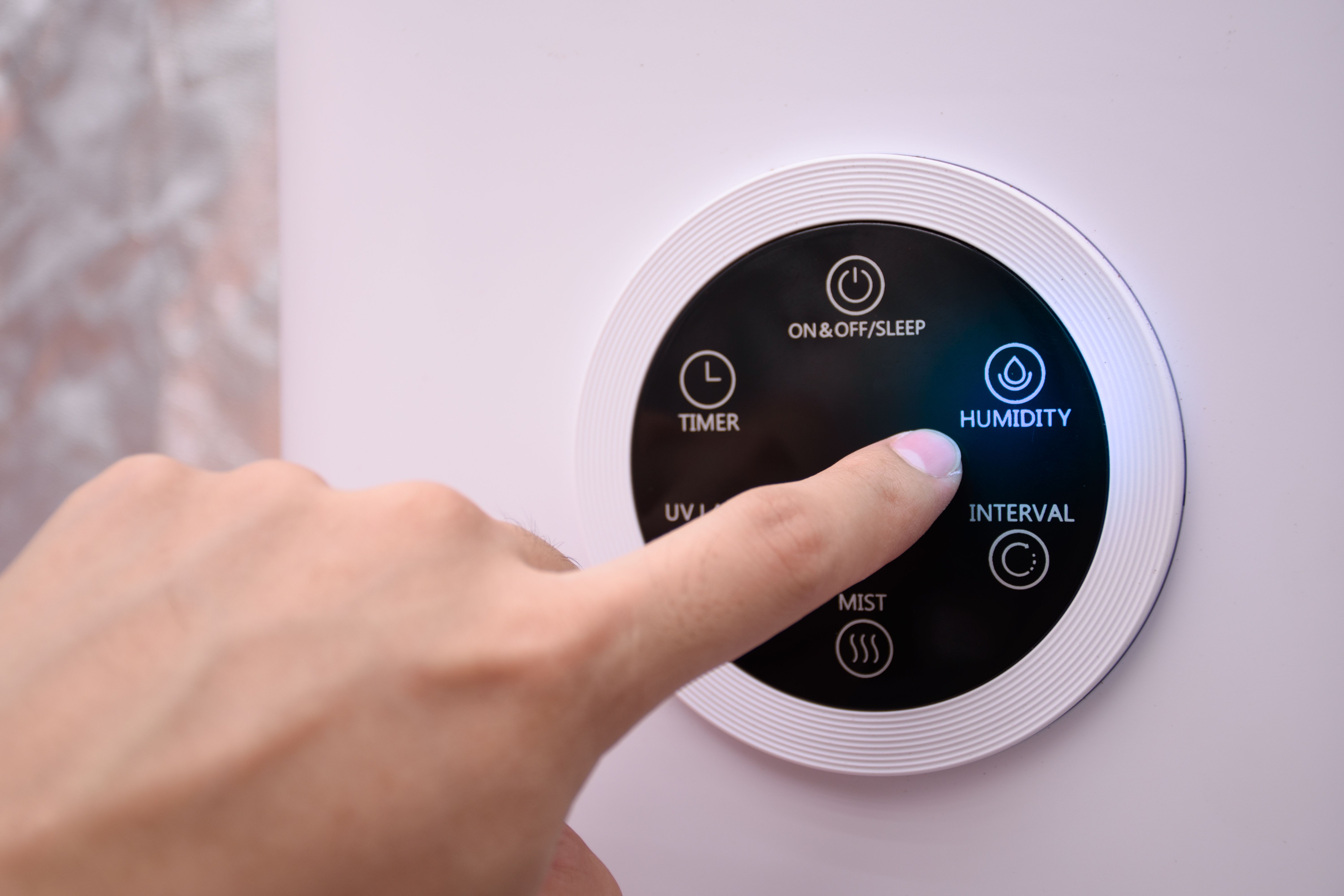
Humidity levels can vary dramatically with seasonal changes. Excess humidity can compromise sensitive materials and processes, while low humidity may cause static electricity issues. Maintaining optimal humidity levels is crucial for the integrity of clean-room operations.
- Spring and summer often bring higher humidity levels, requiring dehumidification strategies.
- Fall and winter may necessitate humidification to prevent static build-up.
Implementing advanced humidity control systems and monitoring equipment helps in maintaining consistent conditions throughout the year.
Particulate Control and Seasonal Variations
Particulate control is essential in a clean-room to prevent contamination. Seasonal changes can influence the amount and type of particulates entering a clean-room. For instance, springtime pollen or autumn leaves can introduce additional particulates that require effective filtration systems.
Regularly updating air filters and employing advanced filtration technologies can help mitigate these seasonal impacts. Additionally, increasing air change rates during high particulate seasons can enhance clean-room performance.
Maintenance Strategies for Seasonal Transitions
Proactive maintenance is key to ensuring clean-room efficiency through seasonal changes. Regular inspection and servicing of HVAC systems, humidity controls, and filtration units are necessary to adapt to varying environmental conditions.
- Schedule seasonal audits to assess clean-room performance.
- Implement preventive maintenance to address potential issues before they escalate.
- Invest in staff training to ensure quick adaptation to seasonal demands.
By understanding and preparing for seasonal variations, industries can maintain high standards of cleanliness and operational efficiency in their clean-room environments.