How to Maintain Critical Condition Spaces: A Step-by-Step Guide


Understanding Critical Condition Spaces
Critical condition spaces, such as cleanrooms and data centers, require meticulous maintenance to ensure optimal performance and safety. These environments often have strict standards to prevent contamination and ensure efficient operation. Whether you manage a healthcare facility or a tech company, maintaining these spaces is crucial.
Step 1: Regular Inspection and Monitoring
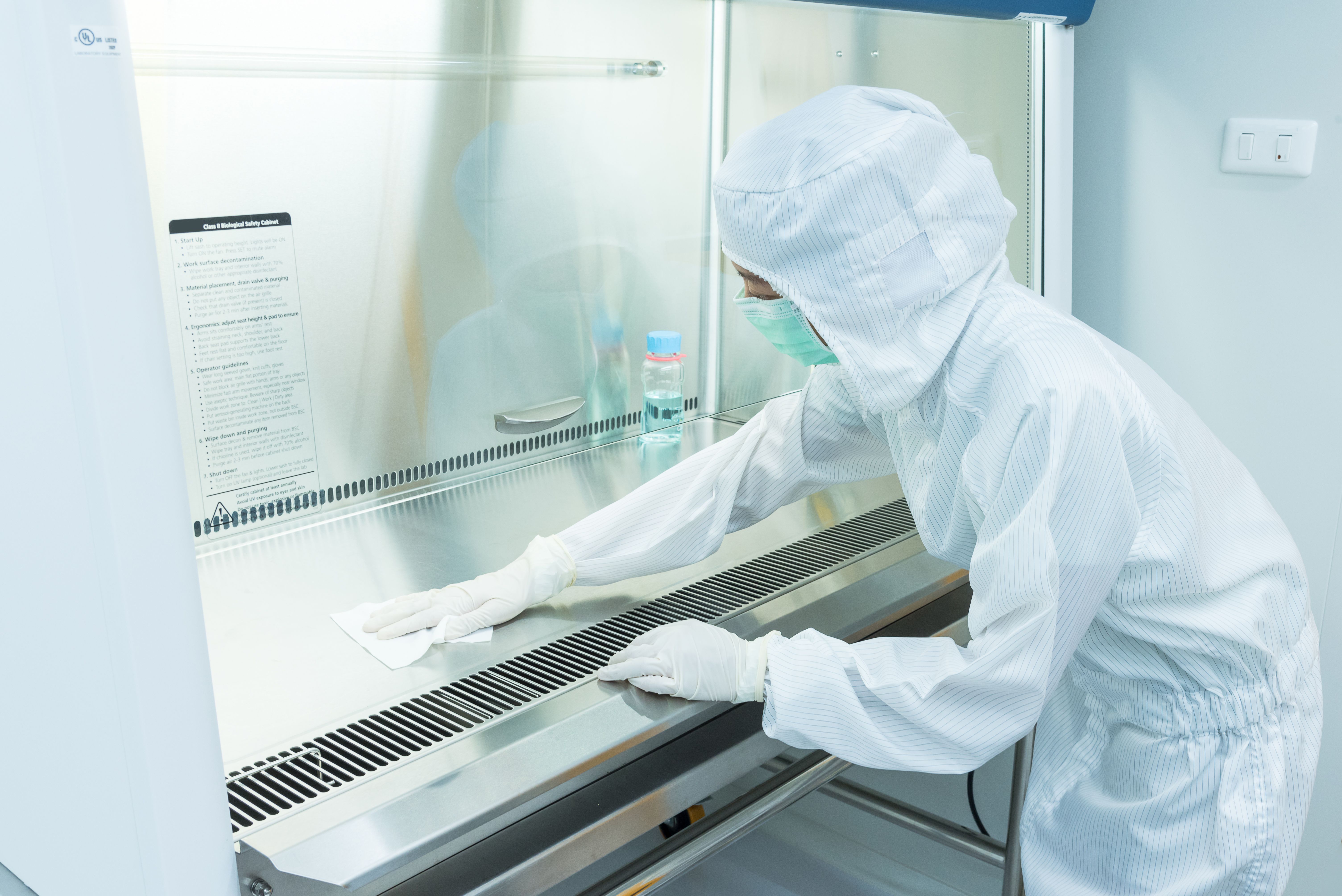
Begin with a comprehensive inspection schedule. Regular checks help identify potential issues before they escalate. Use monitoring systems to track environmental factors like temperature, humidity, and air quality. This proactive approach is vital for maintaining the integrity of the space.
Benefits of Regular Monitoring
Regular monitoring not only prevents major problems but also extends the lifespan of equipment. By keeping a close watch on conditions, you can ensure that everything operates within specified parameters, avoiding costly repairs and downtime.
Step 2: Cleaning Protocols
Adhering to strict cleaning protocols is essential. Establish a routine that includes daily, weekly, and monthly tasks. Use appropriate cleaning agents and tools designed for sensitive environments. Training staff on these protocols ensures consistency and effectiveness.
Choosing the Right Products
It's important to select cleaning products that are non-abrasive and compliant with industry standards. This helps in preventing damage to surfaces and equipment while maintaining the required level of cleanliness.
Step 3: Equipment Maintenance
Regular maintenance of equipment is crucial. Create a schedule for servicing and calibrating machinery to ensure it functions optimally. This involves tasks such as replacing filters, checking connections, and updating software. Proper maintenance reduces the risk of unexpected failures.
Documentation and Record Keeping
Keep detailed records of all maintenance activities. Documentation helps track the history of repairs and upkeep, aiding in future planning and compliance with regulatory standards. It also provides valuable data for analyzing performance trends.
Step 4: Training and Compliance
Ensure all personnel are trained in the latest protocols and compliance requirements. Regular training sessions and updates on industry standards are crucial. This empowers staff to perform their duties effectively and stay informed about best practices.

The Importance of Compliance
Compliance with industry regulations not only ensures safety but also enhances the reputation of your facility. Staying updated on the latest standards helps in avoiding penalties and maintaining the trust of stakeholders.
Step 5: Emergency Preparedness
Develop a comprehensive emergency plan to address potential issues like power outages, equipment failures, or contamination events. Regular drills and simulations keep the team prepared and minimize response times during real incidents.
In conclusion, maintaining critical condition spaces requires a strategic approach involving regular inspections, cleaning, equipment upkeep, training, and emergency preparedness. By following these steps, you can ensure the safety, efficiency, and longevity of your sensitive environments.