
Preparing for Biologics Conferences in TS: What You Need to Know


Attending a biologics conference can be an invaluable opportunity for professionals in the field. Whether you are a researcher, clinician, or industry expert, these events offer a platform to engage with the latest advancements, network with peers, and gain insights from leading experts. However, preparing for such conferences requires careful planning and consideration. Here’s what you need to know to make the most of your experience.
Understanding the Conference Agenda
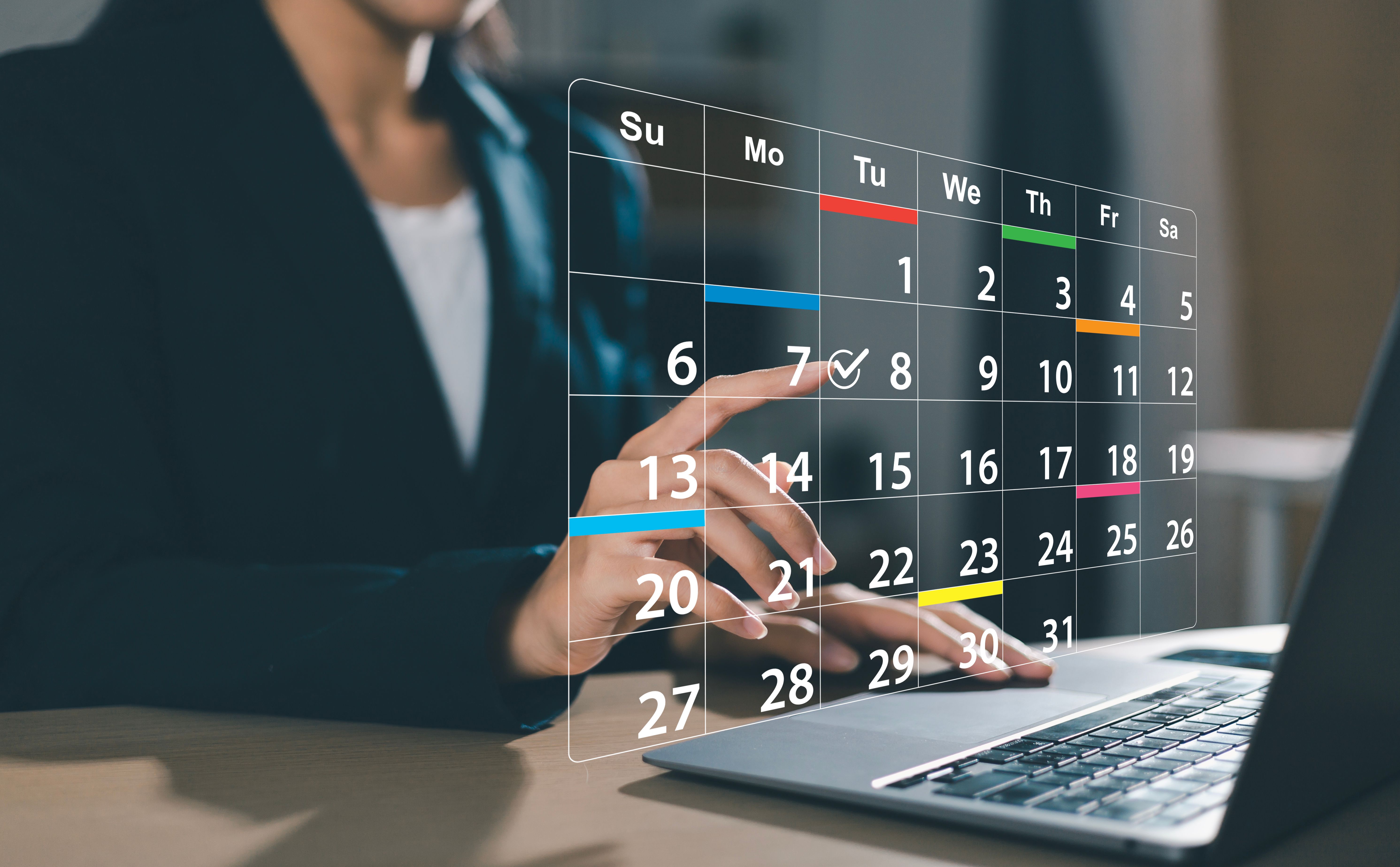
Before attending, it’s crucial to review the conference agenda thoroughly. Identify the sessions, workshops, and presentations that align with your interests and professional goals. Many conferences provide detailed schedules on their websites, allowing you to plan your time effectively. Make a list of must-attend sessions and note any keynote speakers or panel discussions that are of particular interest.
Networking Opportunities
Networking is a significant aspect of any conference. Prepare by researching the attendees, speakers, and exhibitors. LinkedIn can be a useful tool for connecting with other participants beforehand. Consider scheduling one-on-one meetings or informal gatherings to enhance your networking experience. Remember, these connections can lead to collaborations and open new doors in your career.
During the event, be proactive in introducing yourself and engaging in conversations. Have a concise elevator pitch ready to describe your work and interests. Carry plenty of business cards to exchange with new contacts.
Preparing Your Presentation
If you are presenting at the conference, preparation is key. Ensure your presentation is clear, concise, and visually engaging. Practice your delivery to maintain confidence and ensure you can convey your message effectively. Tailor your content to the audience, focusing on the most relevant and impactful aspects of your research or project.

Engaging with Exhibitors
Exhibitors at biologics conferences often showcase the latest technologies and products. Make time to explore the exhibition area and engage with the exhibitors. This can provide insights into new tools and innovations that may benefit your work. Prepare questions to ask exhibitors to get the most out of these interactions.
Collect brochures and materials from exhibitors of interest, and follow up with them after the conference if you see potential for collaboration or further discussion.
Post-Conference Follow-Up
After the conference, take time to consolidate your notes and reflect on the key takeaways. Follow up with new contacts via email or LinkedIn, referencing your conversations to maintain the connection. Share your experiences and insights with your colleagues to maximize the value of what you learned.

Continuing Education and Development
Biologics conferences often offer Continuing Education Units (CEUs) or certifications. If applicable, ensure you fulfill the requirements to obtain these credentials, enhancing your professional development. Additionally, consider participating in post-conference workshops or webinars to deepen your understanding of specific topics discussed during the event.
By preparing thoroughly and engaging actively, you can make the most of your attendance at biologics conferences. These events are not only a chance to learn but also an opportunity to contribute to the field and expand your professional network.