
The Importance of HEPA Filtration in Hyderabad's Pharma Industry


Understanding HEPA Filtration
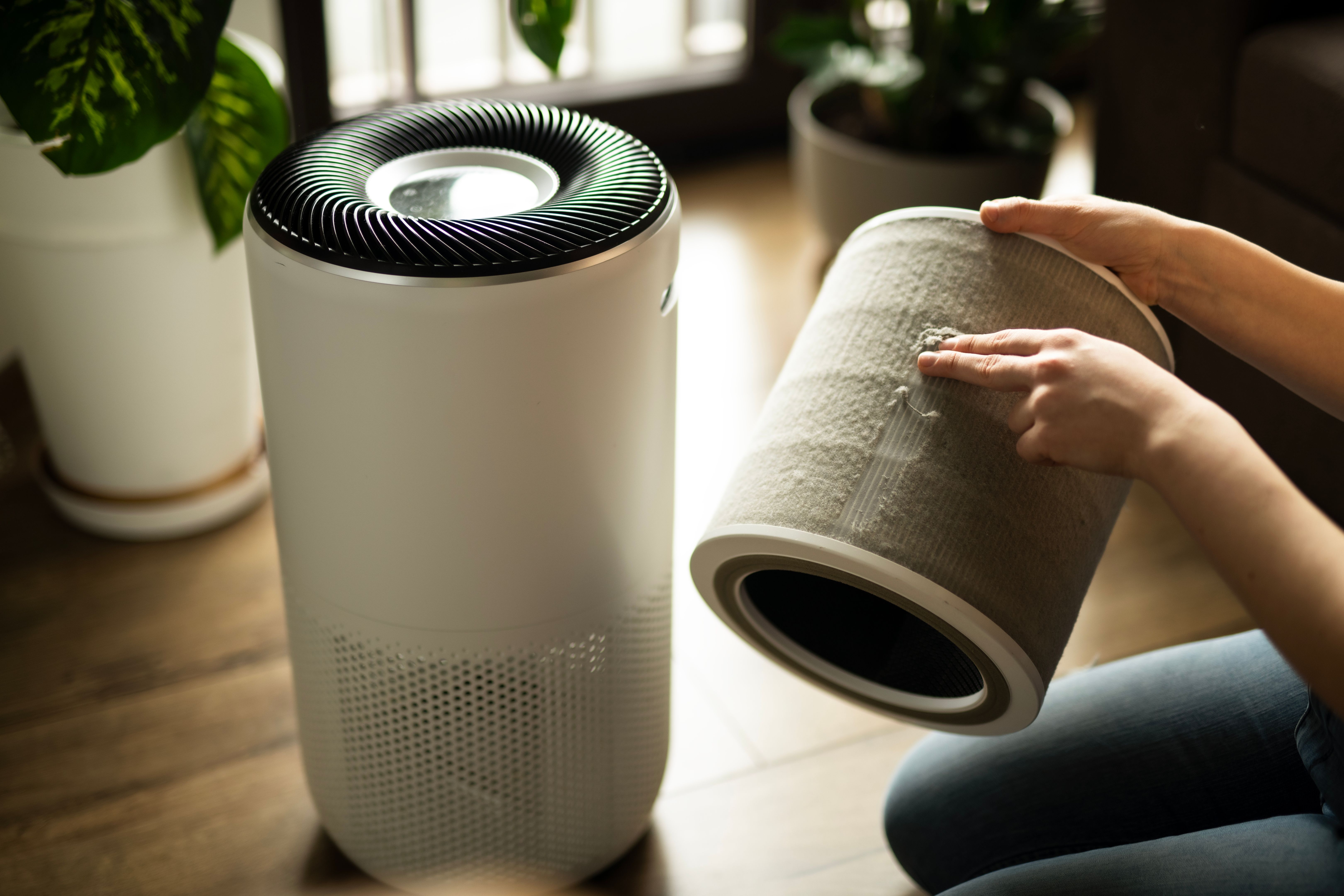
HEPA (High-Efficiency Particulate Air) filters are essential in maintaining clean environments, especially in industries where air quality is crucial. These filters are designed to trap at least 99.97% of particles that are 0.3 microns in size. In Hyderabad's burgeoning pharma industry, ensuring the purity of the air is vital to maintaining the integrity of pharmaceutical products.
Pharmaceutical facilities require stringent air quality standards to prevent contamination. HEPA filters play a critical role in achieving these standards by removing dust, pollen, mold, bacteria, and any airborne particles that could compromise product quality or safety.
The Role of HEPA Filtration in Pharma Manufacturing
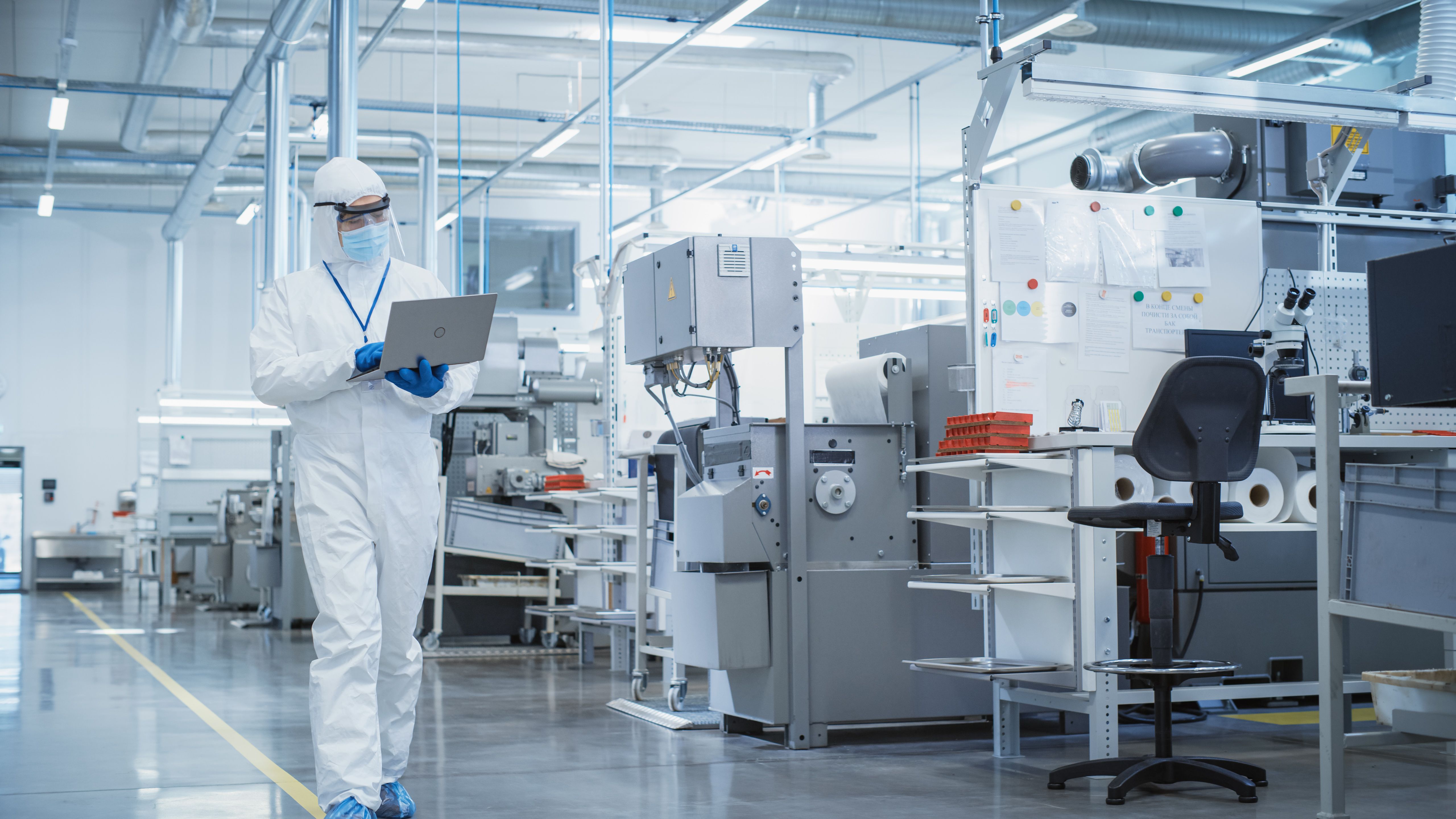
In pharmaceutical manufacturing, the presence of contaminants can lead to significant issues, from reduced product efficacy to safety hazards. HEPA filters are integral in maintaining cleanroom environments where drugs are developed, tested, and manufactured. These filters ensure that the air circulating in these spaces remains free from harmful particles.
Moreover, HEPA filters help in protecting sensitive equipment and materials from contamination. By maintaining a controlled environment, they ensure that the pharmaceutical processes are not disrupted by external pollutants.
Benefits of HEPA Filtration for Employee Safety
Beyond protecting products and equipment, HEPA filtration systems also contribute significantly to employee health and safety. In pharmaceutical settings, workers are often exposed to various chemicals and particulates. Proper air filtration reduces the risk of respiratory problems and other health issues among staff.
By providing clean air, HEPA filters help create a safer working environment, which in turn can lead to increased productivity and reduced absenteeism due to health-related issues.

HEPA Filtration: A Regulatory Necessity
Compliance with regulatory standards is a major concern for pharmaceutical companies. Regulatory bodies like the FDA and WHO have set strict guidelines for air quality in pharmaceutical manufacturing. HEPA filters are essential in meeting these compliance requirements, ensuring that the facilities adhere to international standards.
Failure to comply with these regulations can lead to costly fines and damage to a company's reputation. Thus, investing in HEPA filtration systems is not just about maintaining quality but also about ensuring regulatory compliance.
Cost-Effectiveness and Long-Term Savings
While the initial investment in HEPA filtration systems might seem high, the long-term benefits far outweigh the costs. By preventing contamination and ensuring product quality, these systems help avoid costly recalls and production shutdowns.
Furthermore, maintaining high air quality can extend the lifespan of sensitive equipment, reducing maintenance and replacement costs over time.

Choosing the Right HEPA Filtration System
Selecting the appropriate HEPA filtration system involves considering several factors, including the size of the facility, the specific requirements of the manufacturing process, and budget constraints. Consulting with experts in the field can help pharmaceutical companies in Hyderabad make informed decisions that align with their operational needs.
Ultimately, the right HEPA filtration system is a vital investment for any pharmaceutical company committed to quality, safety, and compliance.