
Trends in HEPA Filtration: Enhancing Air Quality in Critical Spaces


In recent years, the focus on air quality has intensified, especially in critical spaces such as hospitals, laboratories, and cleanrooms. High-Efficiency Particulate Air (HEPA) filtration has emerged as a leading solution to ensure clean and safe environments. As technology advances, new trends in HEPA filtration are enhancing its effectiveness and efficiency.
Understanding HEPA Filtration
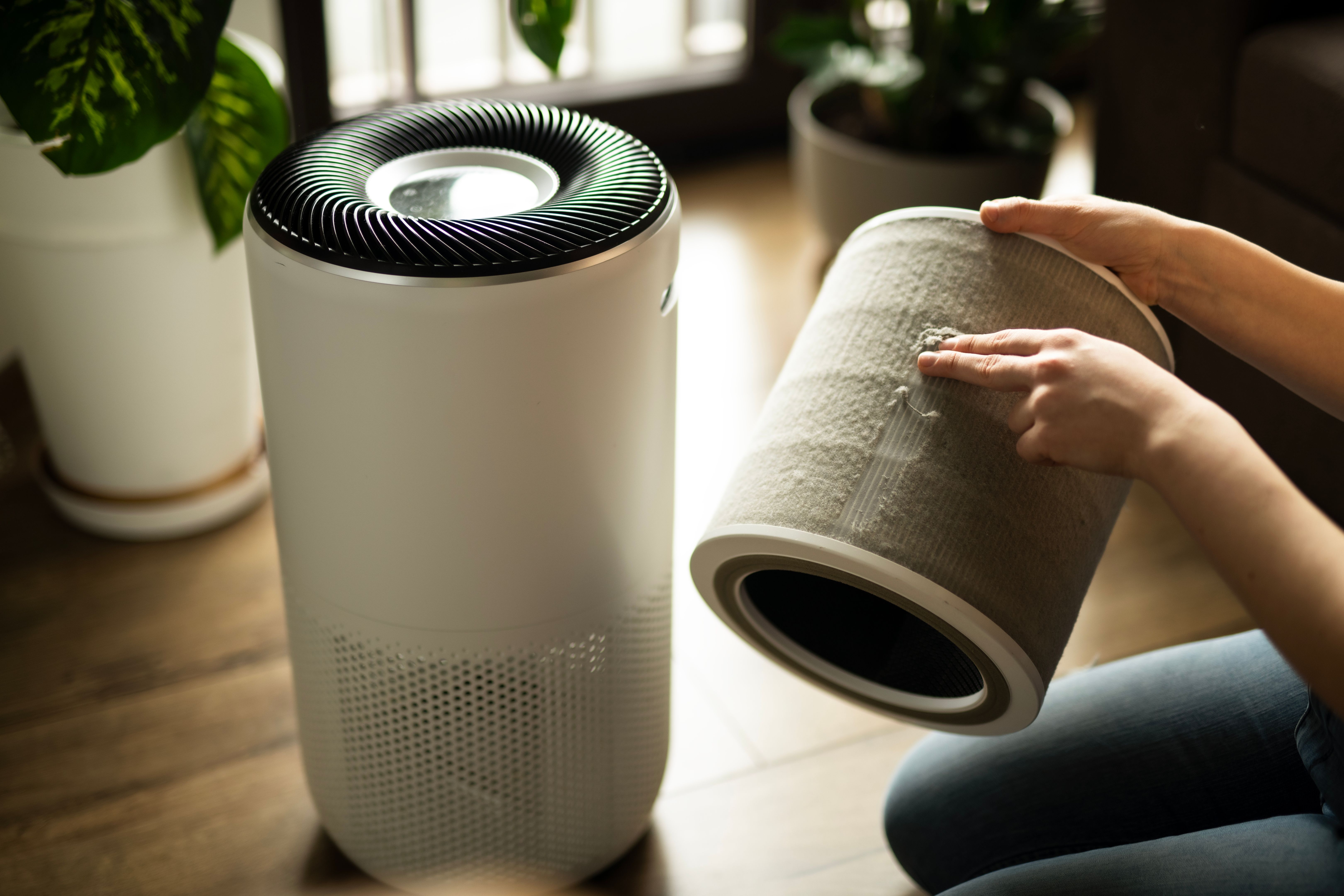
HEPA filters are designed to trap at least 99.97% of particles as small as 0.3 microns. This capability makes them indispensable in settings where air quality is paramount. They play a crucial role in removing allergens, bacteria, and viruses from the air, thus maintaining a healthy atmosphere.
Advanced Materials and Design
One of the significant trends in HEPA filtration is the use of advanced materials and innovative designs. Manufacturers are exploring nanofiber technology and electrostatically charged fibers to enhance filtration efficiency. These materials not only improve performance but also extend the lifespan of the filters.

Smart HEPA Filtration Systems
The integration of smart technology is revolutionizing HEPA filtration systems. Modern systems now come equipped with sensors and IoT capabilities that monitor air quality in real-time. This allows for automatic adjustments to filtration settings, ensuring optimal performance at all times.
Energy Efficiency
Energy efficiency is a growing concern in HEPA filtration. New systems are being designed to consume less power without compromising on performance. Features like variable speed fans and low-resistance filters contribute to reducing the overall energy footprint, making these systems more sustainable.

Applications in Critical Spaces
HEPA filters are indispensable in various critical spaces. In healthcare, they help prevent the spread of airborne diseases by capturing pathogens. Laboratories rely on these filters to maintain sterile environments, ensuring accurate research outcomes.
Cleanrooms and Industrial Use
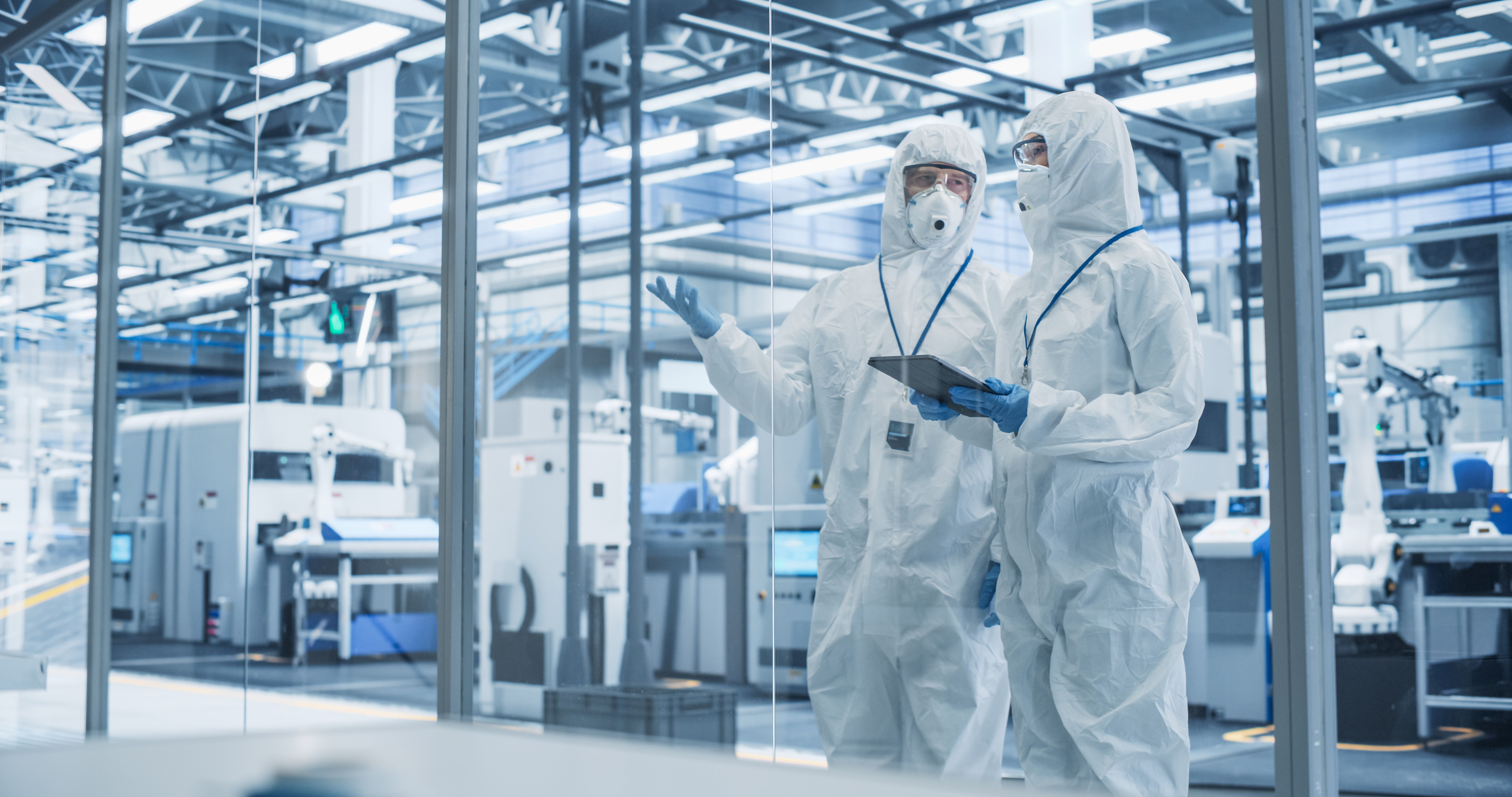
Cleanrooms in pharmaceuticals and electronics industries depend heavily on HEPA filtration to maintain ultra-clean environments. The trend towards stricter regulations and quality standards is driving the adoption of higher-grade HEPA systems in these sectors.
Future Outlook
As awareness about air quality continues to grow, the demand for HEPA filtration is expected to rise. Innovations in filter materials, smart technologies, and energy-efficient designs will drive the future of HEPA systems. These advancements will not only enhance air quality but also contribute to healthier and more sustainable environments.