
Understanding Clean Room Design: A Comprehensive Guide for Pharma and Biotech


Introduction to Clean Room Design
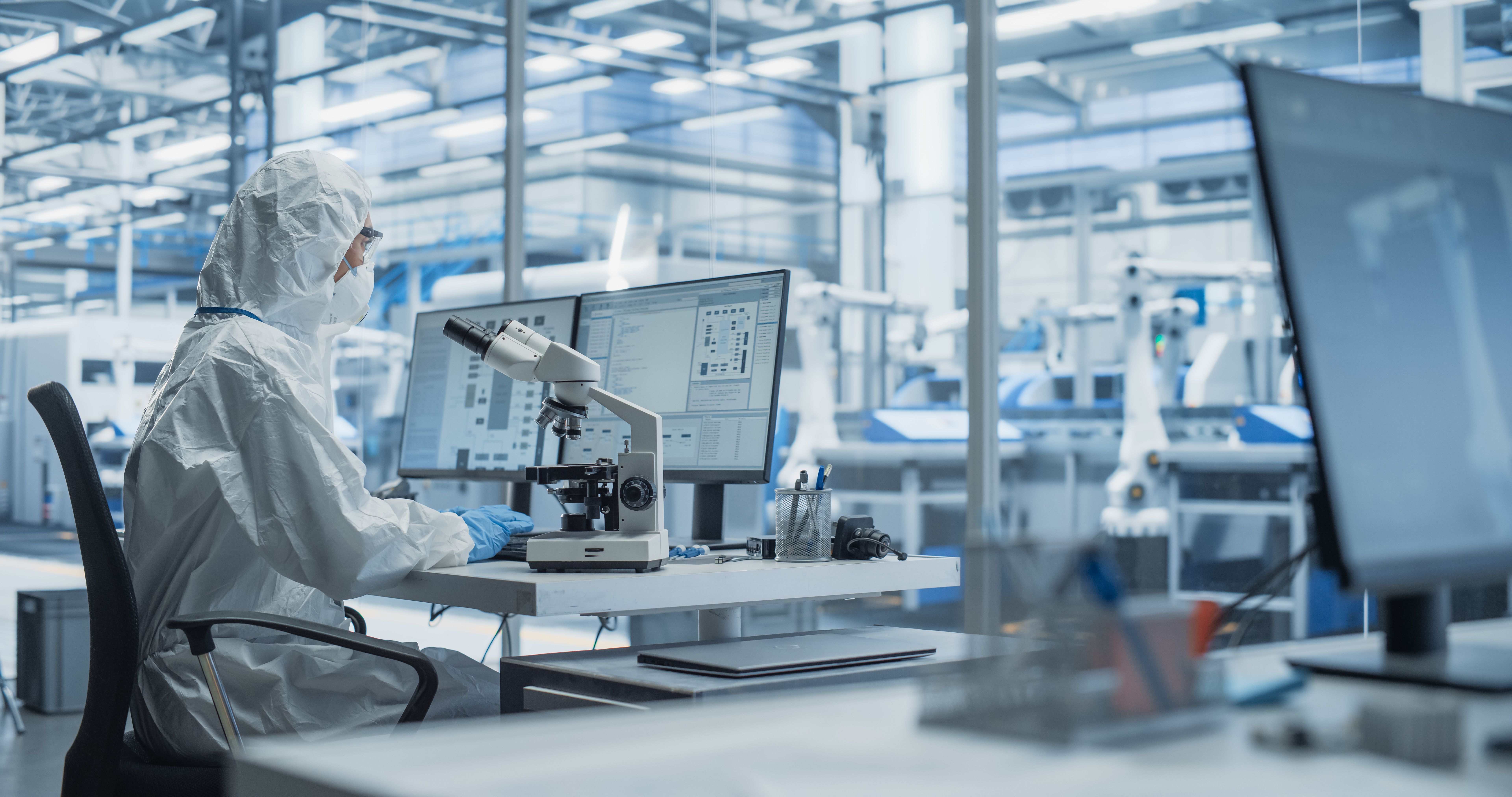
Clean rooms are essential environments in the pharmaceutical and biotechnology industries. These controlled spaces are designed to maintain extremely low levels of particulates, such as dust, airborne organisms, or vaporized particles. Understanding clean room design is crucial for ensuring product quality and compliance with regulatory standards.
Key Features of Clean Rooms
Clean rooms are classified based on the cleanliness level of the air, determined by the number of particles per cubic meter. The design involves specific features to control contamination, such as HEPA filters, air showers, and laminar air flow systems. These elements work together to create a sterile environment.
Materials and surfaces used in clean rooms are also critical. They should be easy to clean and resistant to chemicals and corrosion. Common materials include stainless steel, epoxy-coated surfaces, and special clean room-grade plastics.
Air Filtration Systems
Air filtration is a fundamental aspect of clean room design. High-Efficiency Particulate Air (HEPA) filters are commonly used to trap particles as small as 0.3 microns. For more stringent requirements, Ultra-Low Penetration Air (ULPA) filters may be utilized, capturing particles down to 0.12 microns.

Regulatory Compliance and Standards
Adhering to regulatory standards is paramount in clean room design. Guidelines from organizations such as the International Organization for Standardization (ISO) and the United States Pharmacopeia (USP) define the requirements for different cleanliness classes. These standards ensure that clean rooms meet the necessary safety and quality benchmarks.
ISO 14644-1, for example, specifies the classification of air cleanliness by particle concentration. Following these guidelines is essential for pharmaceutical and biotech companies to comply with global regulatory expectations.
Validation and Testing
Regular validation and testing of clean rooms are required to maintain compliance. This includes monitoring particle counts, pressure differentials, and airflow rates. Routine inspections help identify potential issues before they affect product quality.

Challenges in Clean Room Design
Designing a clean room comes with several challenges. Balancing cost constraints with the need for advanced technology is a common issue. Additionally, accommodating future scalability while maintaining current standards can be complex.
Another challenge is the integration of automated systems for monitoring and control. As technology advances, clean rooms must evolve to incorporate these innovations without compromising on cleanliness standards.
Future Trends
The future of clean room design is likely to involve more automation and smart technologies. IoT devices and AI-driven monitoring systems are becoming increasingly prevalent, allowing for real-time data analysis and more efficient operations.

In conclusion, understanding clean room design is vital for the success of pharmaceutical and biotech companies. By adhering to regulatory standards and embracing technological advancements, these industries can maintain high-quality production environments.