
Understanding IQ/OQ/PQ Validation: A Step-by-Step Process for Pharma Manufacturers


In the pharmaceutical industry, maintaining stringent quality standards is crucial. This is where IQ/OQ/PQ validation comes into play. These validation processes ensure that equipment and systems perform as expected, which is essential for product safety and efficacy.
What is IQ/OQ/PQ Validation?
IQ, OQ, and PQ stand for Installation Qualification, Operational Qualification, and Performance Qualification, respectively. Each step serves a unique purpose in the validation process, ensuring that all equipment and systems used in pharmaceutical manufacturing meet strict regulatory standards.
Installation Qualification (IQ)
Installation Qualification is the first phase, focusing on verifying that equipment is installed correctly. During IQ, manufacturers check that all components are present, installed per specifications, and that the environment is suitable for operation. This stage also involves documentation of equipment specifications and installation procedures.
Operational Qualification (OQ)
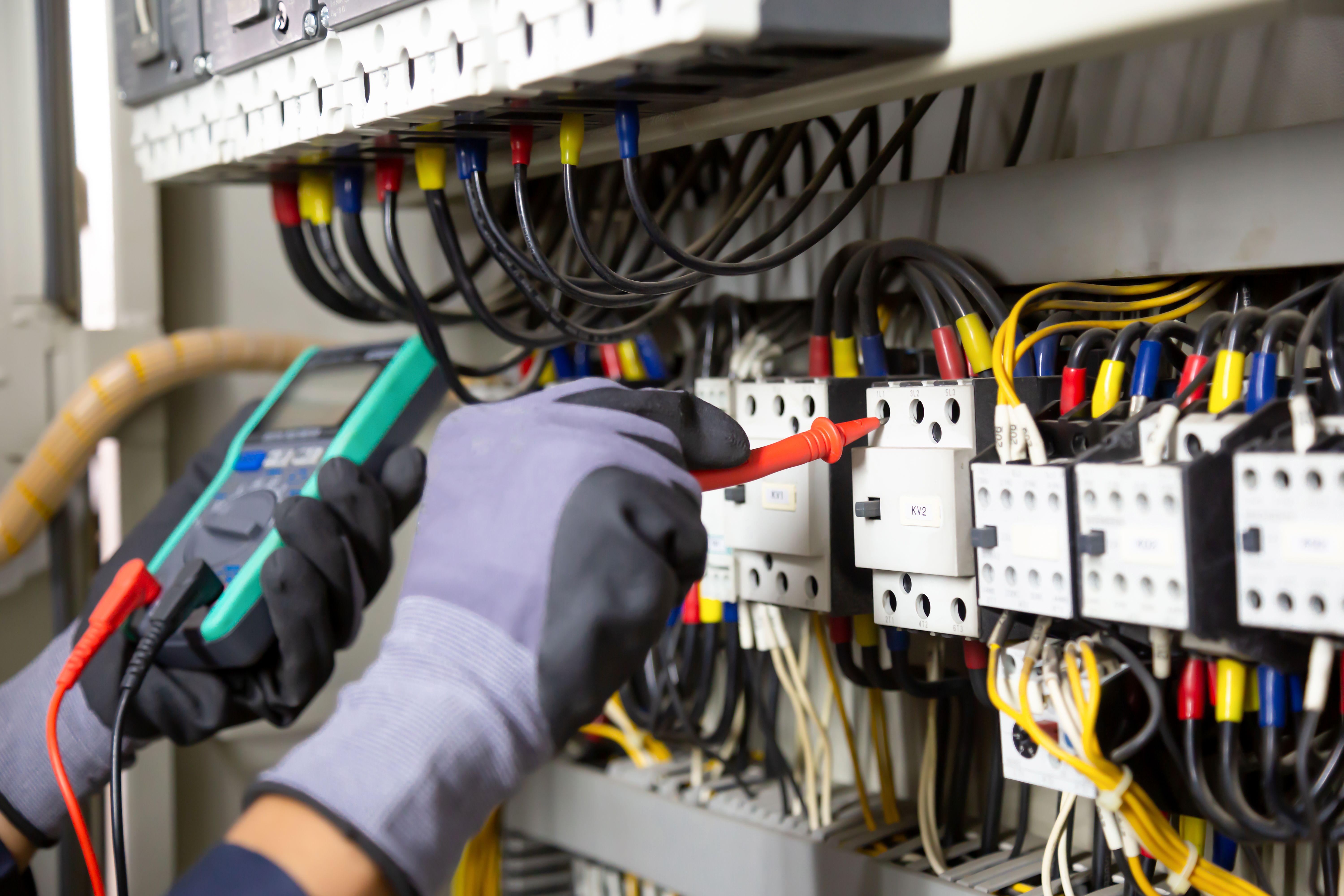
Once installation is confirmed, the next step is Operational Qualification. OQ tests the equipment in operational conditions to ensure it functions as intended. This phase involves running tests to verify that the equipment operates within predetermined limits consistently. These tests assess factors like temperature, pressure, and speed.
OQ is critical because it identifies potential issues before full-scale production begins. By simulating operational conditions, manufacturers can ensure their equipment will perform reliably during actual production.
Performance Qualification (PQ)
Performance Qualification evaluates the equipment's performance in real-world scenarios. PQ is conducted after successful IQ and OQ phases, focusing on whether a system consistently produces products that meet quality standards. This stage involves rigorous testing under normal production conditions.

PQ is essential for confirming that the equipment will deliver consistent results over time. It often includes testing with a specific product batch to ensure that the equipment can handle variations in production.
The Importance of Validation
Validation is not merely a regulatory requirement; it safeguards product quality and patient safety. By thoroughly validating equipment through IQ, OQ, and PQ, pharmaceutical manufacturers can prevent costly errors and ensure compliance with industry regulations.
In addition to meeting regulatory standards, a well-executed validation process can enhance operational efficiency. When equipment is validated correctly, manufacturers experience fewer interruptions, leading to smoother production cycles and improved product quality.

Conclusion
Understanding and implementing IQ/OQ/PQ validation is crucial for pharmaceutical manufacturers. These processes ensure that equipment is installed correctly, operates as intended, and performs reliably under production conditions. By adhering to these validation steps, manufacturers can maintain high standards of quality, safety, and efficiency.
In a highly regulated industry, thorough validation processes not only protect the end consumer but also enhance the manufacturer's reputation and operational success.