
Understanding the Importance of Isolation Chambers in Critical Environments


Introduction to Isolation Chambers
Isolation chambers, often referred to as cleanrooms or controlled environments, are essential in various industries. These specialized spaces are designed to maintain specific environmental conditions, ensuring that external contaminants do not interfere with sensitive processes. From pharmaceuticals to electronics, the role of isolation chambers is crucial in achieving optimal results.
Why Isolation Chambers Are Necessary
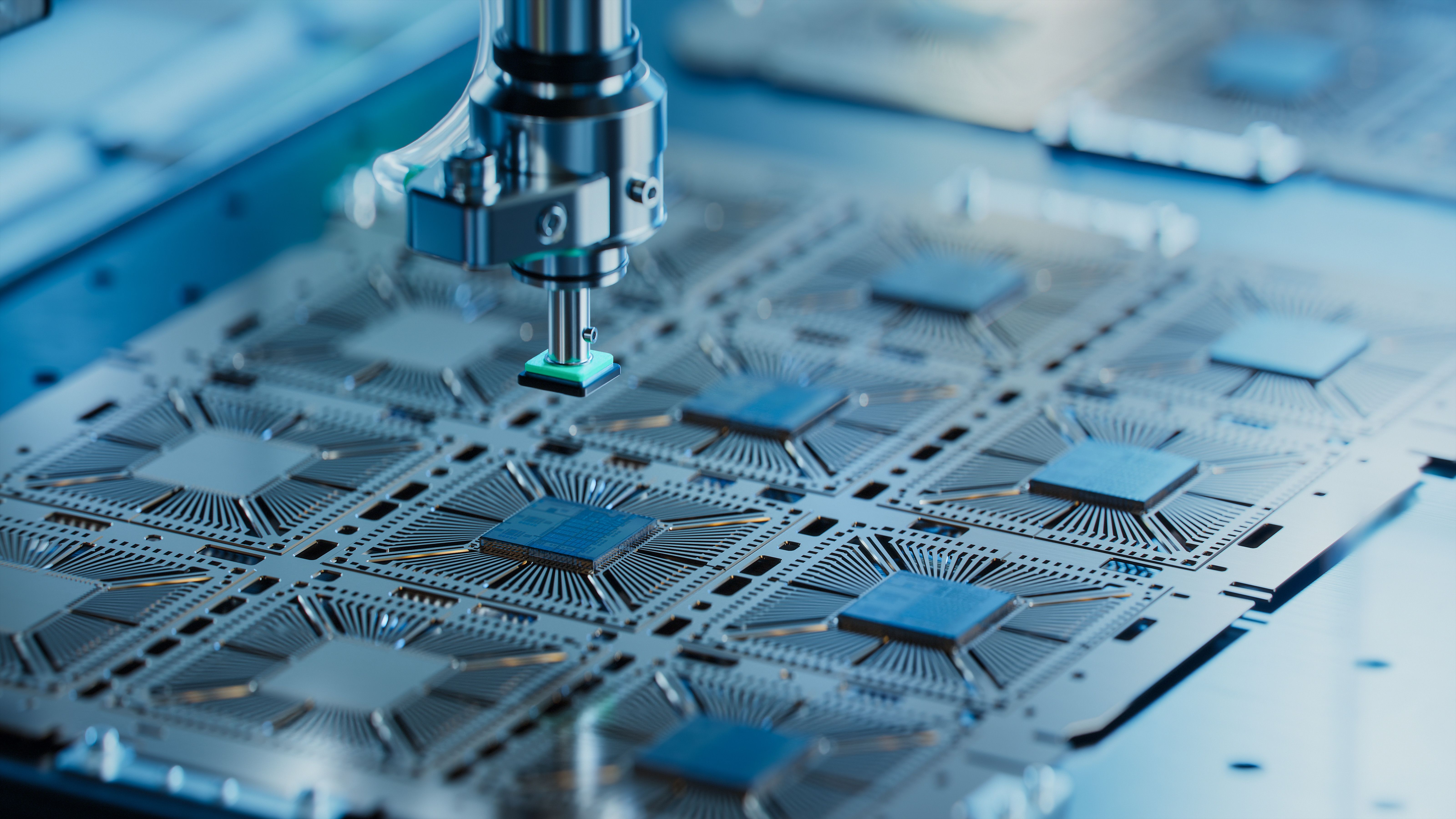
In critical environments, even the smallest contamination can lead to significant setbacks. Isolation chambers provide a controlled setting where factors such as temperature, humidity, and particulates are strictly regulated. This control is vital in industries where precision and purity are paramount, such as semiconductor manufacturing and biotechnology.
By maintaining a contamination-free environment, these chambers help in reducing the risk of product defects and ensuring the safety of personnel. This is particularly important in fields like healthcare, where patient outcomes can be directly affected by environmental factors.
Components of an Isolation Chamber
An isolation chamber typically consists of several key components:
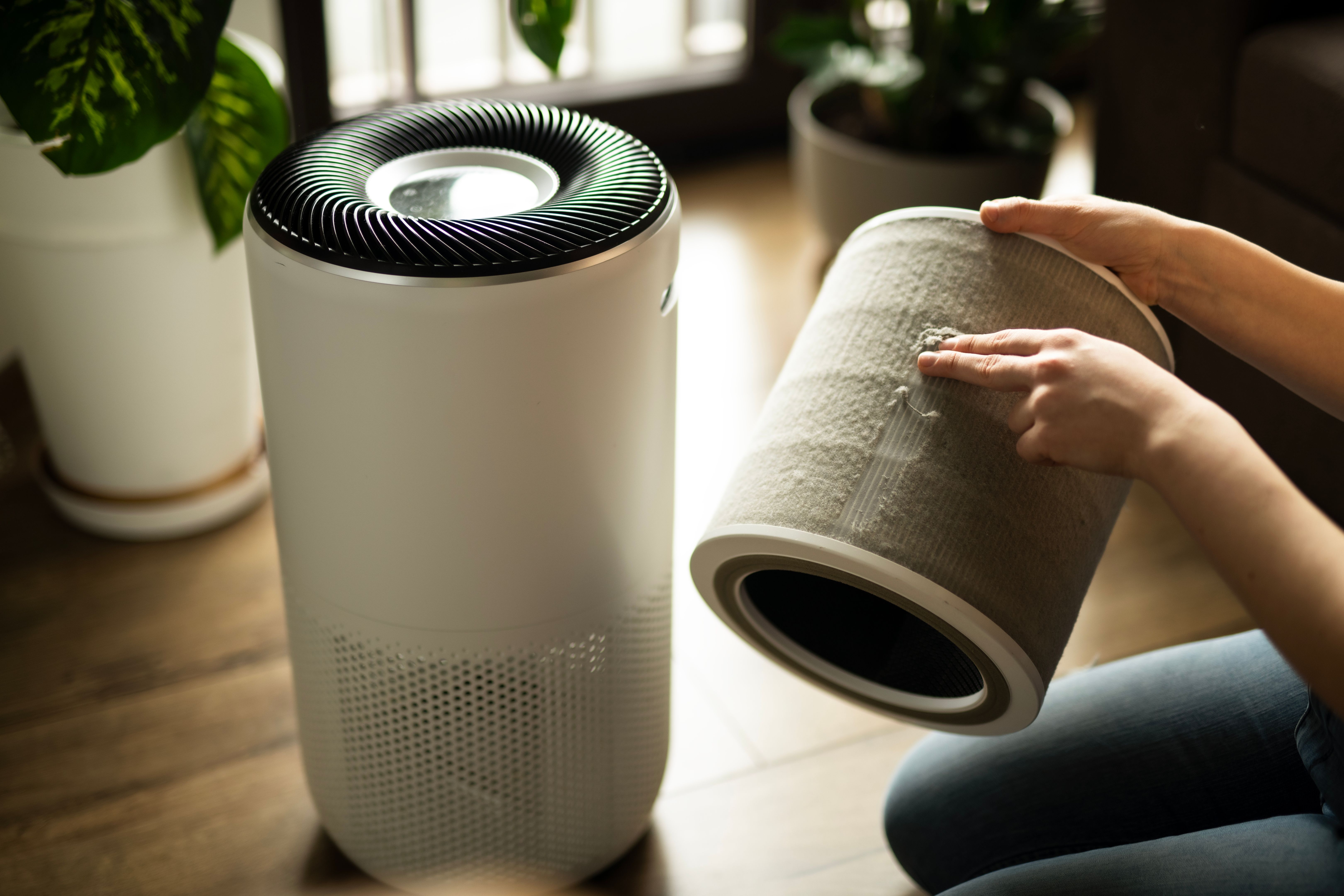
- HEPA Filters: These filters are crucial for trapping airborne particles, ensuring a clean atmosphere.
- Pressure Controls: Maintaining positive or negative pressure helps in preventing external contaminants from entering the chamber.
- Environmental Monitoring Systems: These systems continuously track conditions within the chamber, alerting operators to any deviations from set parameters.
Applications Across Industries
Isolation chambers are utilized in a wide range of industries. In the pharmaceutical sector, they are used during the production of sterile products, ensuring that medications are free from contaminants. In the electronics industry, they provide the clean environment necessary for the production of microchips and other sensitive components.
Moreover, in aerospace, these chambers help in testing materials and components under controlled conditions, contributing to the reliability and safety of aircraft. The versatility of isolation chambers makes them an invaluable asset in any industry that demands precision and purity.
Designing Effective Isolation Chambers
The design of an isolation chamber is a critical factor in its effectiveness. Considerations include the type of material used for construction, the chamber's size, and the specific requirements of the industry it serves. Additionally, the integration of advanced technologies, such as real-time monitoring and automated systems, can enhance the chamber's capabilities.
Challenges and Solutions
While isolation chambers offer numerous benefits, they also present certain challenges. Maintaining strict environmental controls can be resource-intensive and costly. However, by investing in energy-efficient technologies and sustainable practices, these challenges can be mitigated.
Adopting regular maintenance and calibration schedules ensures that the chamber operates at peak efficiency, minimizing downtime and potential contamination risks.
The Future of Isolation Chambers
As technology continues to advance, the future of isolation chambers looks promising. Innovations such as smart sensors and automated systems are transforming how these chambers operate, making them more efficient and reliable. In addition, the increasing focus on sustainability is driving the development of eco-friendly solutions in chamber design and operation.

Conclusion
Understanding the importance of isolation chambers in critical environments is essential for industries that rely on precision and purity. These chambers not only protect products and personnel but also contribute to the overall success and reliability of operations. As we look to the future, continued innovation and commitment to excellence will ensure that isolation chambers remain an integral component of various industries.