
Vinyl vs. Epoxy Flooring: Choosing the Best for Your Clean-Room


Understanding the Needs of a Clean-Room Environment
When designing a clean-room, flooring selection is crucial. The right flooring impacts cleanliness, durability, and overall functionality. Two popular choices are vinyl and epoxy flooring, each offering distinct advantages and drawbacks. Understanding these can help you make an informed decision for your clean-room needs.
Vinyl Flooring: A Practical Choice
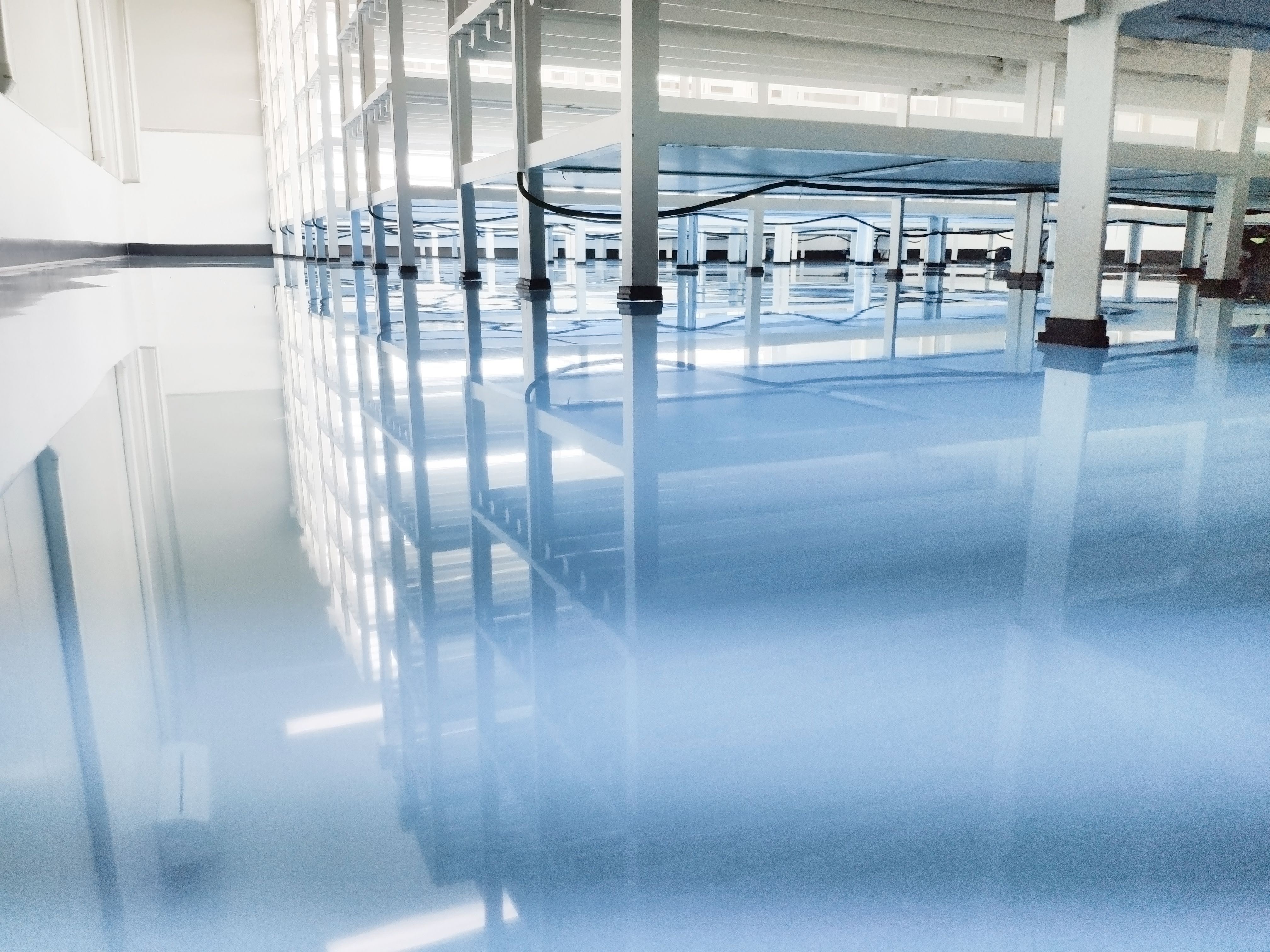
Vinyl flooring is known for its affordability and ease of installation. It's often chosen for clean-rooms due to its seamless surface, which prevents the accumulation of dust and bacteria. Vinyl is also resistant to many chemicals, making it suitable for environments where spills and splashes are common.
Advantages of Vinyl Flooring
Vinyl flooring offers several benefits, including:
- Cost-effectiveness: Vinyl is generally more affordable than epoxy, both in material and installation costs.
- Ease of maintenance: Its smooth surface makes cleaning straightforward, crucial for maintaining hygiene standards.
- Comfort underfoot: Vinyl provides a softer surface, reducing fatigue for those who spend long hours in the clean-room.
Epoxy Flooring: A Durable Option
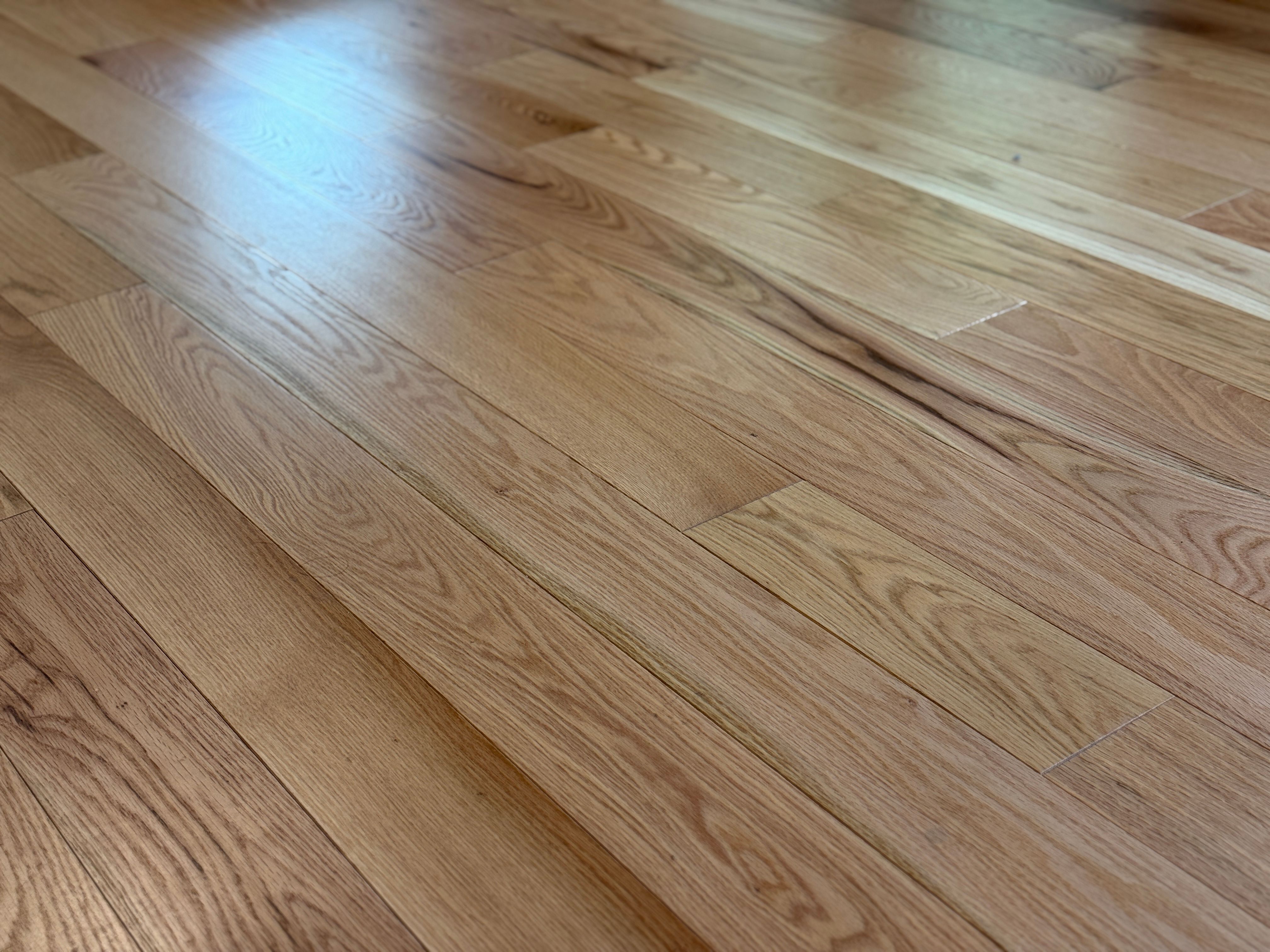
Epoxy flooring is renowned for its durability and resistance to heavy foot traffic and equipment. It forms a hard, solid surface that can withstand harsh chemicals and impacts, making it a top choice for high-demand clean-rooms.
Benefits of Epoxy Flooring
Epoxy flooring offers unique advantages, such as:
- Exceptional durability: Epoxy can last for years without showing signs of wear.
- Resistance to chemicals: It's highly resistant to a wide range of chemicals, ensuring longevity in harsh environments.
- Seamless finish: Like vinyl, epoxy's seamless application minimizes dust and bacteria accumulation.
Comparing Installation and Maintenance
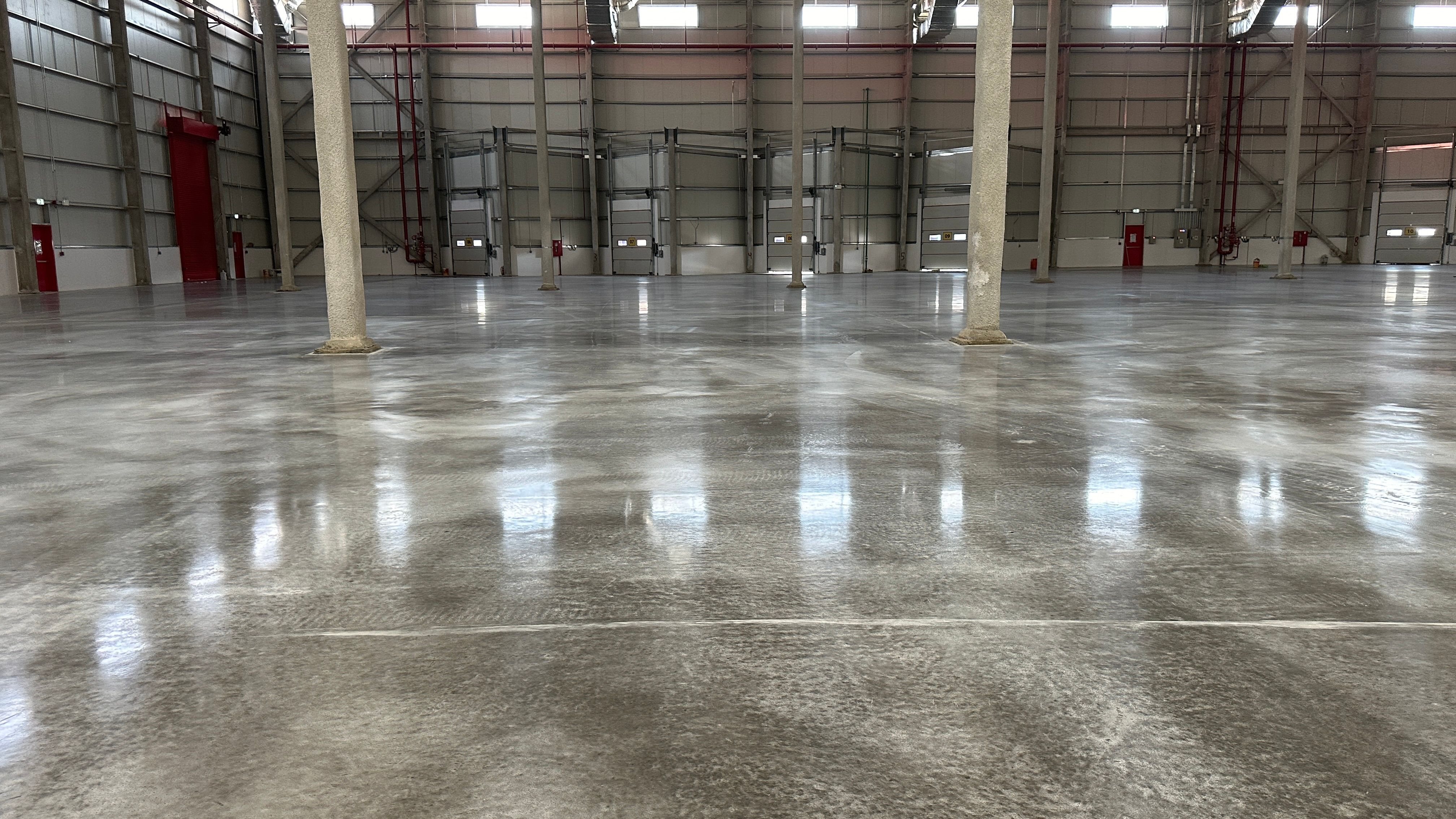
The installation process for both vinyl and epoxy can impact downtime and costs. Vinyl is typically quicker and easier to install, whereas epoxy requires a more involved process that can take longer but offers a robust finish. Maintenance for both types is generally straightforward, yet epoxy may demand occasional re-coating to maintain its integrity.
Making the Right Choice
The decision between vinyl and epoxy flooring depends on your clean-room's specific requirements. Consider factors like budget, traffic, chemical exposure, and desired longevity. Vinyl may be suitable for budget-conscious projects with moderate demands, while epoxy could be ideal for high-intensity environments requiring extreme durability.
Conclusion: Tailoring Your Flooring to Your Needs
Choosing between vinyl and epoxy flooring for your clean-room involves weighing various factors, including cost, durability, and maintenance. By understanding the unique benefits of each material, you can select flooring that aligns perfectly with your clean-room's operational needs, ensuring a sterile and efficient environment.